
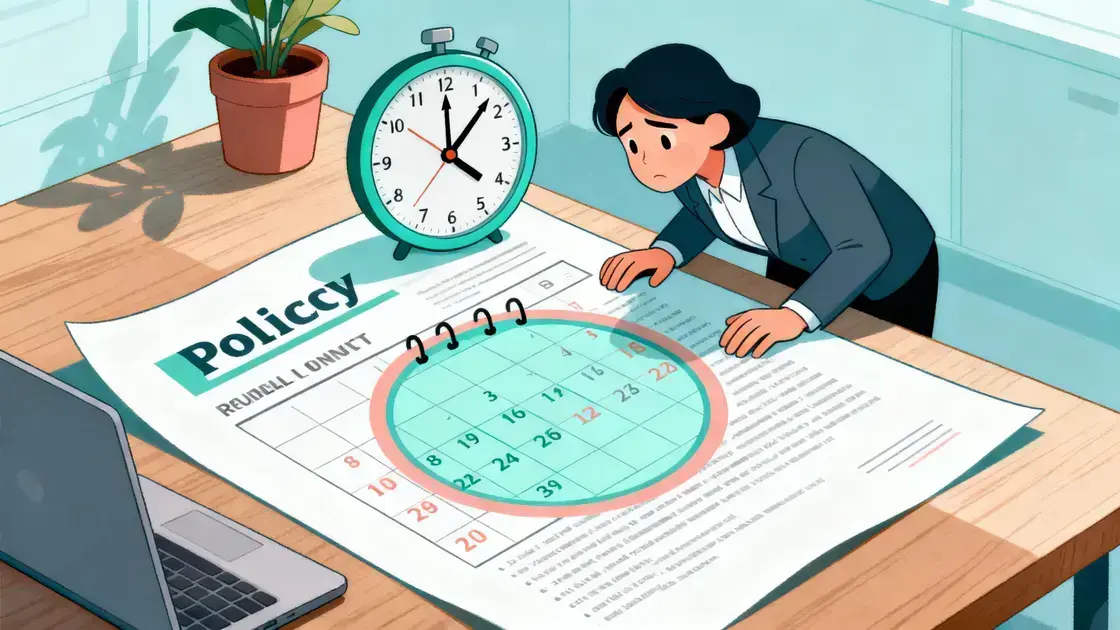
Policy renewal dates are crucial for maintaining your insurance coverage. Missing them can lead to gaps in your protection, potentially costing you more later. Understanding why policy renewal dates matter can help ensure you’re safeguarded.
Keep reading to discover key insights that could save you money!
Understanding Policy Renewal Dates
Understanding policy renewal dates is important for every insurance policyholder. When these dates approach, you need to make sure your coverage continues without interruption. If you miss a renewal date, your policy could lapse, which means you won’t be protected in case of an accident or loss.
Insurance policies usually have set renewal dates, which are outlined in your documents. These dates tell you when you should review your coverage and make any needed updates or changes. Always check these dates, as they help you stay aware of your coverage and premiums.
Renewal time is your chance to ask questions and look for better options. Take the opportunity to review your policy and see if you need to adjust your coverage based on changes in your life. Understanding your renewal dates can keep you informed and prepared.
The Consequences of Missing Renewal Dates
Missing renewal dates can lead to serious problems with your insurance. If you forget or ignore these dates, your policy may lapse. This means you won’t have coverage when you need it most, like after an accident or damage to your property. Without active insurance, you could face huge out-of-pocket costs.
Another consequence is difficulty in getting new coverage. When you let a policy lapse, insurers may view you as a higher risk. This could make it harder to find an affordable policy. If you do find coverage, you might have to pay higher premiums than before.
Lastly, missing renewal dates means you lose the chance to update your coverage. Life changes, like getting a new job or moving, may require you to adjust your policy. If your needs change and you don’t renew, you could be underinsured, leaving you vulnerable.
How Renewal Dates Affect Insurance Coverage
Renewal dates are crucial for keeping your insurance coverage active and suitable for your needs. When a policy comes up for renewal, it’s an opportunity to review what you have. You can confirm that the coverage still fits your life situation, whether you’ve bought a new car or moved to a new home.
If you miss a renewal date, your insurance may not apply during critical moments. For example, if your policy lapses when you need it most, like after a car accident or a home emergency, you could be left unprotected. This can lead to significant financial loss.
Additionally, renewal dates can affect your premiums. If you take the time to review and update your policy, you might find discounts or adjust coverage to save money. Without checking at renewal, you might miss out on savings and continue overpaying for insurance that you don’t fully need.
Tips to Keep Track of Renewal Dates
One of the best tips to keep track of renewal dates is to set reminders. Use your phone or calendar app to alert you a few weeks before the renewal date. This gives you time to review your policy and make any necessary updates. Having a notification helps ensure you don’t miss important deadlines.
Another helpful idea is to create a dedicated folder for your insurance documents. Keep track of all your policies, including renewal dates, in one place. This can be a physical folder or a digital one. When everything is organized, it will be easier to find what you need when the renewal dates come around.
Lastly, consider speaking to your insurance agent. Agents can send renewal reminders and help you understand your coverage better. Keep an open line of communication with them. They can provide tips on managing your policy, ensuring you stay informed and prepared.
The Importance of Reviewing Policies at Renewal
Reviewing your policies at renewal is very important for staying protected. This is your chance to make sure your coverage matches your current needs. Changes in your life, like moving or buying new items, may require adjustments. If you don’t review your policy, you might miss important updates that keep you safe.
Another reason to review your policies is to save money. During the renewal process, you might find discounts or better options available. Compare your current policy with others on the market. This helps ensure you get the best deal possible while still having the proper coverage you need.
Finally, reviewing your policy lets you ask questions and learn more about your insurance. If there’s something you don’t understand, now is the time to reach out to your agent. They can help clarify anything confusing. A clear understanding makes you a better, more informed policyholder.
Common Myths About Policy Renewal Dates
One common myth about policy renewal dates is that they are not important. Many people think they can just let their policy run out and get a new one later. This is simply wrong. If your policy lapses, you could face severe financial consequences if something happens before you renew.
Another myth is that renewal dates are only for updating your information. While it’s true that you can update details, such as your address or vehicle, it’s also crucial to review your coverage. You want to make sure you have the right protection for your current situation. Sticking with outdated coverage can leave you exposed to risks.
Some believe they will receive automatic renewals without any action needed. This is not always the case. Some insurers expect you to confirm or renew your policy actively. If you miss this step, you might end up without coverage. Always check your specific policy terms to avoid surprises.
Finalizing Your Coverage Before Renewal
Before your insurance renewal, take some time to finalize your coverage. Start by reviewing your current policy. This helps you understand what is covered and what may need changes. Pay special attention to sections that address your needs, especially if you’ve had significant life events this year.
Next, gather any relevant documents or information you may need. Make sure you have details about updated assets, like a new car or home improvements. If anything has changed, make note of it. This ensures your policy reflects your current situation and provides adequate protection.
Finally, communicate with your insurance agent about any adjustments. They can help clarify options, explain coverage details, and suggest possible discounts. By being proactive, you can finalize your coverage effectively and ensure you’re fully protected before renewal.
Renewal dates for insurance policies may seem like just another date on your calendar, but they are much more than that. They represent the time to reassess your needs and confirm that you are adequately covered against risks. Ignoring them can lead to gaps in protection when you need it most.
When your renewal date comes up, it’s essential to take that opportunity to review all aspects of your policy. Costs can change, and your life may have changed too. You might have new assets to protect or changes in your health that need to be considered. This is your moment to adapt your coverage accordingly.
Finally, renewing your policy is a chance to ask questions and clarify any doubts. If anything is unclear, reach out to your insurance provider. They can guide you through the renewal process, help you understand what your policy covers, and ensure you are not overpaying. This proactive approach helps to secure your peace of mind.