

Differences Between Fixed and Variable Expenses can have a bigger impact on your budget than you might think. Knowing how these two types of expenses work is one of the first steps toward making smarter financial decisions.
Some costs stay the same month after month, while others change depending on your habits and lifestyle. Understanding this difference makes it easier to organize your money and avoid unpleasant surprises.
Whether you’re trying to save more, reduce unnecessary spending, or simply gain better control over your finances, knowing where your money goes can make all the difference. Keep reading to see how fixed and variable expenses affect your financial planning.
Understanding Fixed Expenses
Fixed expenses are costs that do not change over time. Common examples include rent or mortgage payments, insurance premiums, and subscription services. These are bills you can expect to pay each month, making them easier to budget for.
Understanding fixed expenses is important for keeping your finances in check. Since these costs are predictable, you can plan your spending around them. Knowing what you owe helps you see how much money is left for other needs or wants.
By tracking your fixed expenses, you can find areas where you might save money. For example, if you notice you’re paying for a subscription you don’t use, you can cancel it. This knowledge helps you make better financial decisions.
Understanding Variable Expenses
Variable expenses are costs that can change from month to month. They include things like groceries, dining out, entertainment, and utility bills. Unlike fixed expenses, these costs depend on how much you use or spend during a certain period.
Understanding variable expenses helps you see where your money goes each month. By tracking these costs, you can identify spending habits and figure out where you might want to cut back. This can lead to better overall financial health and savings.
It’s important to keep an eye on your variable expenses because they can add up quickly. If you regularly track your spending, you’ll find it easier to make adjustments and stick to your budget. This way, you can enjoy some fun without overspending.
Key Differences Between Fixed and Variable Expenses
Fixed and variable expenses are two types of costs that impact your budget differently. Fixed expenses are stable and predictable, meaning you can rely on them to remain the same each month. Examples include rent, insurance, and loan payments, which help you plan your financial obligations.
On the other hand, variable expenses can change based on your lifestyle and choices. These expenses may rise or fall depending on how you spend, such as dining out, entertainment, or groceries. This variability makes it essential to keep track of them carefully.
The key difference lies in their stability and predictability. While fixed expenses provide a solid foundation for budgeting, variable expenses allow you some flexibility to adjust your spending based on your needs and wants. Understanding these differences can help you create a better financial plan.
How to Track Fixed Expenses
Tracking fixed expenses is a key part of effective budgeting. Start by listing all your regular monthly bills, like rent, insurance, and subscriptions. Write down the amount you pay for each expense to see how much money is being spent every month.
Next, consider using a budgeting app or spreadsheet to keep everything organized. This way, you can easily update your expenses as they change or when you move. Regularly checking this list will help ensure you never miss a payment and maintain a good financial standing.
Finally, review your fixed expenses regularly to look for any savings. For example, if you find a better deal on your insurance or can negotiate a lower rent, you could save money. Tracking isn’t just about knowing what you spend, but also about finding ways to spend less.
How to Track Variable Expenses
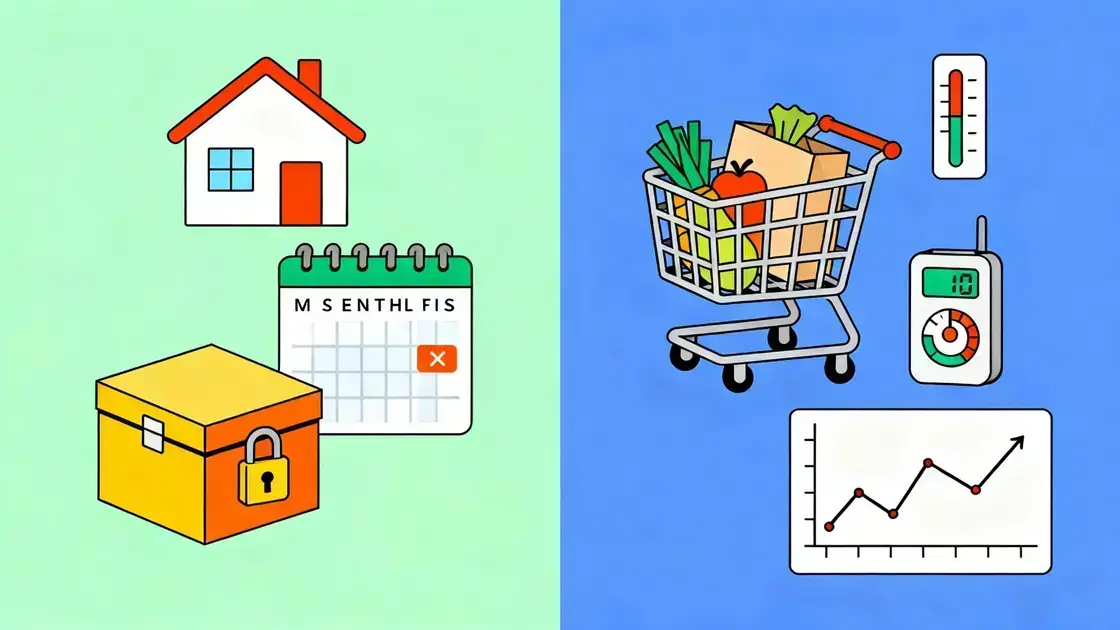
Tracking variable expenses is essential for managing your budget effectively. Start by keeping a daily log of your spending. Write down every purchase, no matter how small, to get a clear picture of where your money goes. This practice helps you understand your spending habits and identify areas for improvement.
Next, consider categorizing your variable expenses into groups like food, entertainment, and transportation. By doing this, you can see how much you spend in each category. This will help you recognize patterns and make it easier to cut back on non-essential items when needed.
Finally, use apps or budgeting tools that allow you to track these expenses on the go. Many of these tools make it simple to input your purchases and see your spending data in real time. Regularly reviewing your variable expenses will help you stay on track and meet your financial goals.
Impacts on Financial Planning
Understanding the differences between fixed and variable expenses is crucial for effective financial planning. Fixed expenses provide stability, which helps you create a reliable budget. Knowing your monthly fixed costs allows you to plan your income around them and ensures that essential payments are made on time.
Variable expenses, however, can greatly impact your financial flexibility. Since these costs can change month to month, they require close monitoring. By keeping track of variable expenses, you can make smarter choices that allow you to save money or redirect funds to other important areas, such as savings or investments.
Incorporating both fixed and variable expenses into your overall financial plan helps you build a clearer picture of your financial health. This balanced approach enables you to set realistic goals based on your true spending habits, leading to better decision-making and increased financial security.
Examples of Fixed Expenses
Fixed expenses are the costs that remain constant each month, making them easy to plan for. One common example is rent or mortgage payments. These amounts are usually set for the duration of your lease or loan and do not change unless you move or refinance.
Another typical fixed expense is insurance. Whether it’s health insurance, auto insurance, or homeowners insurance, these payments tend to be consistent and can be budgeted accordingly. Most people pay insurance premiums on a monthly or yearly basis, which simplifies financial planning.
Additionally, subscription services can be classified as fixed expenses if they charge a consistent amount every month. This includes services like streaming platforms, gym memberships, or software subscriptions. Knowing these fixed expenses helps you maintain control over your budget and financial commitments.
Examples of Variable Expenses
Variable expenses are costs that can change from month to month depending on your choices and usage. A common example is food expenses. Whether you are dining out, ordering takeout, or grocery shopping, what you spend on food can vary greatly each month based on your habits and needs.
Another example of variable expenses is transportation costs. This includes gas for your car, public transportation fares, or ride-sharing services. These costs will fluctuate depending on how often you travel and where you go during the month.
Entertainment expenses are also variable. This can include movie tickets, concert tickets, or other activities like visiting theme parks. Depending on your plans and budget during a month, these costs can add up differently, making them important to track for effective financial planning.