

Simple Strategies to Reduce Everyday Household Spending can make a real difference in how your money flows every month. Small, smart changes often have a bigger impact than you might expect.
From the way you plan meals to how you handle bills and subscriptions, everyday choices shape your financial comfort. The good news is that saving more doesn’t have to feel restrictive or complicated.
With a few practical adjustments, you can keep more money in your pocket without sacrificing your lifestyle. Keep reading to discover simple ideas that actually work in real life.
Budgeting Basics for Household Savings
Budgeting is a smart way to manage your money. Start by tracking your income and expenses. This means knowing what money comes in and what goes out. You can use a simple notebook or a budgeting app to record everything. By seeing these numbers, you will have a clearer idea of where your money is going each month.
Next, set a budget that fits your needs. Decide how much you want to spend in different areas like groceries, bills, and fun activities. Make sure to keep some money aside for savings too. This plan will help prevent overspending and ensure that you make the most of your money.
Finally, review your budget regularly. Life changes, and so will your spending habits. Check your budget once a month to see if you are sticking to it. Adjust your budget if needed. This way, you stay in control and keep your spending in check.
Effective Meal Planning Strategies
Effective meal planning can save you time and money while ensuring your family eats healthy. Start by sitting down once a week to plan your meals. Look at what ingredients you already have in your pantry and refrigerator. This helps avoid buying unnecessary groceries and reduces food waste. Make a list of meals that use those ingredients to get the most out of what you have.
Next, create a shopping list based on your meal plan. Stick to this list when you go shopping to avoid impulse buys. Buying only what you need will help keep your grocery bills low. Consider using sales and discounts at your local store. Planning your meals around what’s on sale can lead to even bigger savings.
Lastly, prepare as much as you can in advance. You can chop vegetables or cook larger portions and store leftovers for later. This makes it easier to stick to your meal plan and saves time on busy days. With these meal planning strategies, you can enjoy delicious meals without breaking the bank.
Reducing Utility Bills at Home
Reducing utility bills at home is easier than you might think. Start by checking for drafts around windows and doors. If you feel cold air coming in, it’s time to seal those leaks with weather stripping or caulk. This small fix can keep your home warmer and reduce heating costs during the winter. Similarly, in the summer, ensure your windows are sealed to keep the cool air inside.
Next, consider upgrading to energy-efficient appliances. Look for products that have the Energy Star label, which means they use less electricity. Although the initial cost may be higher, these appliances save money in the long run by reducing energy use. Simple actions like using cold water for laundry can also lower your bill.
Lastly, remember to use power strips for your electronics. Many devices use energy even when turned off, known as phantom power. Disconnecting these devices when they are not in use can lead to significant savings. By implementing these tips, you can cut down your utility bills and save money for more important things.
Smart Shopping Tips for Groceries
Smart shopping for groceries starts with making a list before you go to the store. Write down what you need based on your meal plan for the week. This helps you stay focused and avoid buying items that you don’t need. Stick to your list while shopping to resist the temptation of impulse purchases that can add up quickly.
Another great tip is to use coupons and take advantage of store sales. Many stores offer discounts on certain items each week, so check their ads before you shop. You can also find digital coupons on shopping apps or websites. Saving a little here and there can lead to big savings over time, making your grocery budget stretch further.
Lastly, consider buying in bulk for items you use often. Items like rice, pasta, and canned goods can be cheaper when bought in larger quantities. However, make sure that you will use them before they expire. This strategy can save you money and reduce the number of shopping trips you need to make, freeing up time for other activities.
DIY Home Maintenance and Repairs
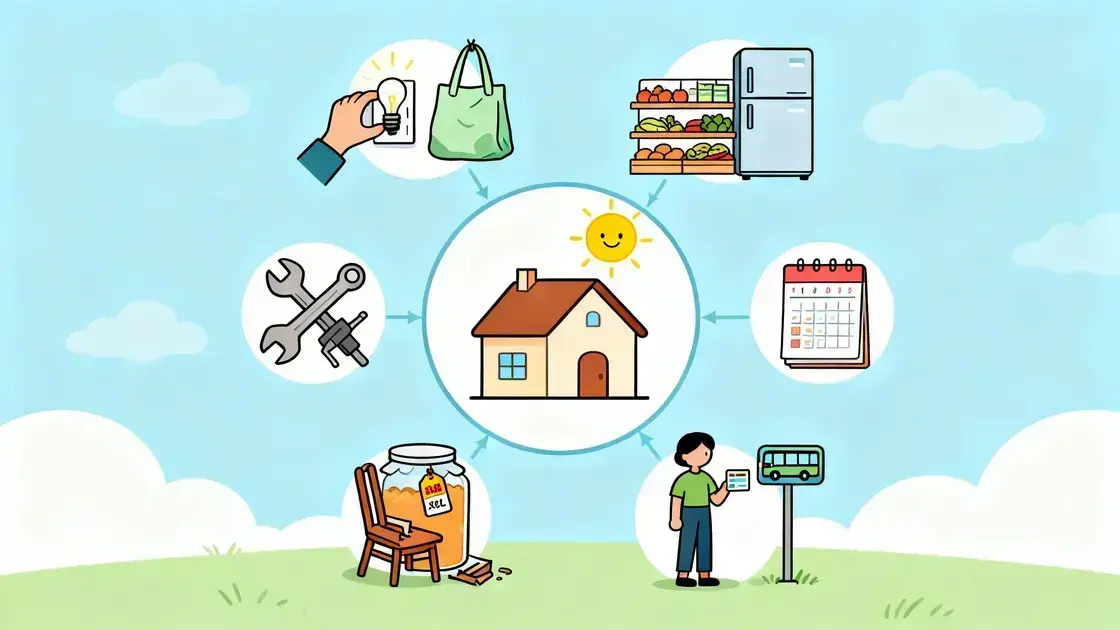
DIY home maintenance and repairs can save you a lot of money. Start by learning about basic tasks like changing air filters or fixing leaky faucets. These are simple jobs that anyone can do with a little guidance. Online tutorials and videos can show you how to complete these tasks step-by-step, so you don’t need to hire a professional for every little issue.
Another handy tip is to keep a toolbox filled with essential tools. Basic tools like screwdrivers, pliers, and a hammer can help you tackle many household problems. You don’t need to own every tool on the market, but having the basics can make quick repairs easy and cost-effective. Check what you have at home and buy a few affordable tools as needed.
Lastly, don’t hesitate to ask friends or family members for help. Many people enjoy giving advice on DIY projects or might even lend a hand. They can share their own experiences, which can save you time and prevent mistakes. Working together can also make repairs more enjoyable and help build your confidence in home maintenance.
Understanding Subscription Services
Understanding subscription services is essential for smart budgeting. Many people use subscriptions for streaming, meal kits, or even monthly boxes. These services can save time and provide convenience, but they can also add up quickly if you’re not careful. It’s important to know how much you are spending and what you genuinely use regularly.
Next, evaluate your subscriptions carefully. Make a list of all your subscription services and how much they cost each month. Decide which ones you really enjoy and use. If there are services you hardly use or could replace with free alternatives, consider canceling them. This simple step can help free up extra money in your budget.
Lastly, remember to keep an eye out for special offers or trial periods. Some subscription services allow you to try them for free for a limited time. This way, you can test if a service is worth keeping before committing. By being mindful of your subscriptions, you can enjoy the benefits without overspending.
Using Cash Envelopes for Spending Control
Using cash envelopes for spending control is a simple and effective budgeting method. The idea is to separate your money into different envelopes based on your spending categories, like groceries, entertainment, and bills. By doing this, you can see exactly how much you have available for each category. When the cash in an envelope runs out, you know you can’t spend any more in that area for the month.
This method helps you think twice before making purchases. Instead of swiping a credit card, you physically see the cash leaving your envelope. This can make you more aware of your spending choices. You might find that you spend less if you use cash rather than credit. It feels different when you handle cash, and this approach can help you stick to your budget better.
Keep in mind that managing cash envelopes requires some discipline. You’ll need to track your spending regularly and refill your envelopes at the start of each month. Many people find this method creates a sense of accountability, leading to better financial habits. If using cash envelopes keeps you in control, it can be an excellent way to reduce your household spending.
Simple Strategies to Reduce Everyday Household Spending: Seasonal Sales and Discount Timing
Seasonal sales and discount timing can be a smart way to save money on everyday purchases. Most stores have big sales at specific times of the year, like Black Friday, back-to-school season, and after holidays. Learning when these sales occur can help you plan your shopping. For example, buying winter clothes at the end of winter can save you a lot, as prices drop significantly to make room for new stock.
Another great time to snag discounts is during holiday sales. Stores often offer promotions around holidays like Thanksgiving, Christmas, and even Fourth of July. If you keep an eye on these sales, you can find great deals on gifts and other items. Websites and apps that track sales can help you stay informed about the best times to buy what you need.
Finally, don’t forget about clearance items. Many stores mark down items that are out of season or have been on the shelf for a while. Checking the clearance section can lead to some fantastic finds. By timing your purchases right and shopping during big sales, you can cut down on your overall spending and make your money go further.