

Choosing the right insurance policy can feel overwhelming. With so many options available, understanding how to compare insurance policies becomes crucial. It’s not just about price, but also coverage and benefits that matter.
By examining your specific needs and the types of insurance available, you can make informed decisions. This ensures that you choose a policy that truly protects you and offers peace of mind.
Unlock the secrets to effective insurance comparison. Keep reading to discover essential tips that can save you money and enhance your coverage!
Understanding Different Types of Insurance
Understanding different types of insurance is vital for making informed decisions. There are several major categories of insurance, including health, auto, home, and life. Each type serves a unique purpose, catering to distinct needs. For example, health insurance helps cover medical expenses, while auto insurance protects you and your vehicle on the road.
Within these categories, there are various plans and options. For instance, health insurance can be offered through employers, government programs, or private companies. Similarly, auto insurance can vary in coverage, from basic liability to more comprehensive plans that include protection against theft and natural disasters.
Recognizing the differences between these options is essential for comparing insurance policies effectively. By understanding what each type of insurance covers and its limitations, you can make smarter choices that fit your lifestyle and budget. The right coverage can provide you with peace of mind and security.
Key Factors to Consider
When comparing insurance policies, it’s critical to consider several key factors. First, understand the coverage each policy provides. Look not only at the basics but also at any additional features or exclusions. This will help you determine if a policy meets your specific needs without any surprises later.
Another important element is the premium cost. While it might be tempting to go for the cheapest option, consider what you are getting in return. A lower premium may offer less coverage or higher deductibles. Balancing the cost with the protection you receive is vital for making a smart choice.
Finally, check the insurer’s reputation and reliability. Research customer reviews and claims handling. A company known for good customer service can make a big difference when you need to file a claim. By weighing these key factors, you’ll be better equipped to find the right insurance policy for your situation.
How to Read Insurance Policy Terms
Reading insurance policy terms can be challenging, but it’s essential to understand what you are signing. Start by looking at the declarations page, which summarizes your coverage, limits, and premium. This page gives you a quick overview and can help you identify if the policy meets your needs.
Next, pay attention to the definitions section. Insurance companies often use specific language, and knowing what these terms mean can help you clarify your coverage. Look for terms like “deductible,” “co-insurance,” and “exclusions”; understanding these will prevent misunderstandings when you make a claim.
Finally, review the policy exclusions and conditions carefully. Knowing what is not covered can save you from surprises later on. If you have any questions or find something unclear, don’t hesitate to ask your insurance agent for clarification. They are there to help you understand your policy fully.
Comparing Premiums and Coverage
When comparing insurance, it’s essential to look at both premiums and coverage. The premium is the amount you pay for your policy, often monthly or annually. While it may be tempting to choose the lowest premium, make sure to check what coverage you are getting in return. A lower premium might mean less coverage when you need it most.
Coverage refers to the protection offered by your policy. It includes what is insured, such as your home or car, and how much is covered in specific situations. Compare different policies to see what kinds of risks are covered and if there are any limits. This will help you understand which policy provides the best balance for your needs.
Additionally, consider any deductibles attached to the policies. A deductible is the amount you pay out of pocket before the insurance kicks in. Policies with lower premiums might have higher deductibles, meaning you could pay more when you file a claim. Weighing these aspects together can lead to smarter decisions when selecting an insurance policy.
Utilizing Online Insurance Comparison Tools
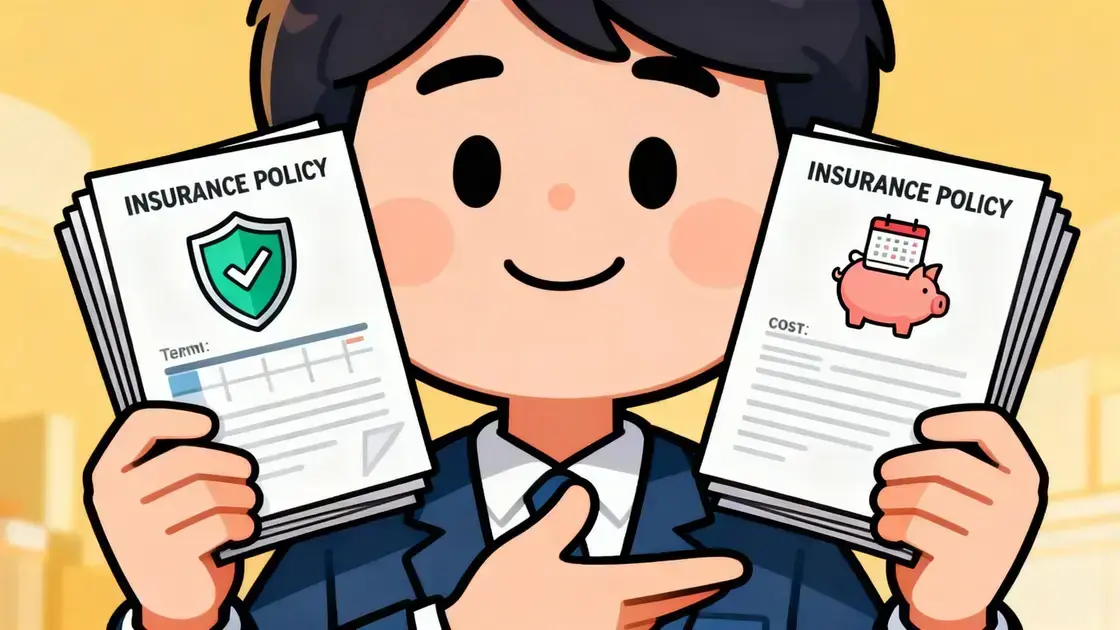
Utilizing online insurance comparison tools can make your search for the right policy much easier. These tools allow you to see various insurance options side by side. You can enter your information and preferences, such as coverage types and budget, to receive tailored quotes from different insurers. This saves time and helps you avoid visiting multiple websites.
When you use these comparison tools, pay attention to not just the prices but also the coverage details. Some tools provide breakdowns of what each policy includes, so you can quickly identify what you need. Look for features like deductibles, limits, and exclusions, which are essential to understand before making a choice.
Another benefit of these tools is that they often include customer reviews and ratings. By reading what others have experienced, you can gauge the reputation of different companies. This information can guide you to not only the best price but also the best quality of service, helping you make informed decisions.
Seeking Expert Advice and Reviews
Seeking expert advice is an important step when comparing insurance policies. Insurance agents or brokers can provide valuable insights into the different types of coverage available. These professionals can help clarify complex terms and point out what policies may best match your specific needs, saving you a lot of time and confusion.
In addition to speaking with experts, reading reviews from other customers can also be very helpful. Websites often feature ratings and testimonials that give a real sense of how companies handle claims and customer service. Pay attention to both positive and negative feedback, as this can help you make an informed choice.
Finally, remember to check with independent review sites that specialize in insurance. These sites analyze various providers and can list strengths and weaknesses. This research can provide you with a broader view, ensuring you’re not just relying on one source of information. Gathering expert advice and reviews can greatly improve your confidence in choosing the right insurance policy.
Finalizing Your Insurance Decision
Finalizing your insurance decision involves a careful review of the policy you’ve chosen. Once you’ve compared options and gotten advice, double-check all the details in the policy. Make sure the coverage amounts, premium costs, and any exclusions align with what you need. This step is crucial to avoid surprises when it comes time to use your insurance.
It’s also a good idea to speak with your insurance agent before officially signing. They can clarify any last-minute questions you may have. Discuss payment options and understand how claims will work under your policy. Being clear about the process can give you more confidence in your choice.
Finally, once you are ready to sign, keep a copy of your policy in a safe place. Set reminders for when payments are due to keep your coverage active. Staying informed and organized will ensure that your insurance continues to meet your needs over time, allowing you to enjoy peace of mind.