
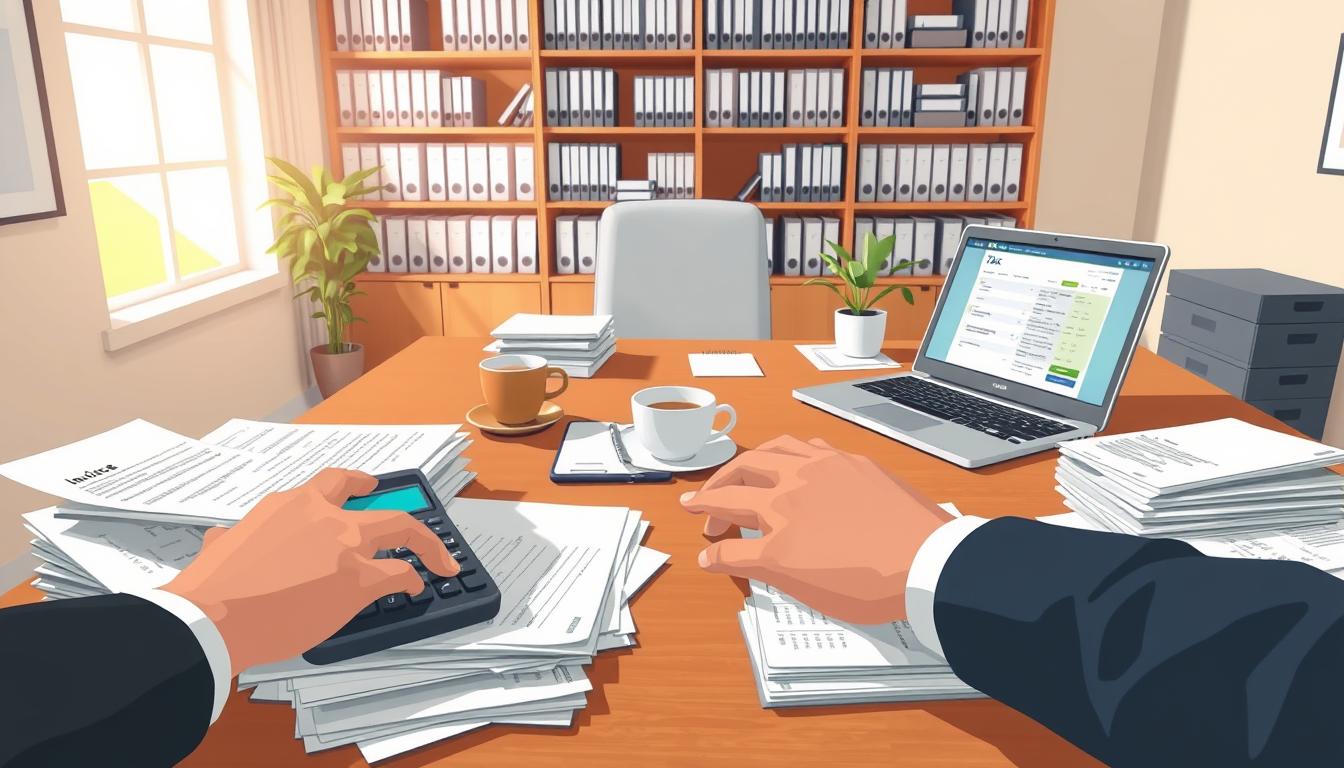
Learning to manage your money starts with a simple habit. Keeping track of your money is key. It helps you see how you spend it.
This habit changes how you use your money. It makes complex data easy to understand. This way, you can make better choices.
Good money management comes from knowing your spending. It shows where you can save and grow. People who track their money do better in life.
The Fundamentals of Financial Record Keeping
Setting up a strong system for your money is key to stability. When you focus on financial record keeping, you see your money situation clearly. This helps with big choices, like buying a home or planning for retirement.
Defining Essential Financial Records
A good financial picture needs several important documents. These include bank statements, credit card bills, and investment summaries. Also, keep tax returns and proof of income handy for lenders or the government.
The Role of Accuracy in Money Management
Being precise is crucial for money management. Small mistakes in tracking can cause big problems in your budget. Accurate records help avoid missed payments or wrong tax filings.
Keeping your records up to date helps you know your net worth. This clarity helps make smart choices when unexpected costs come up. Reliable data gives you confidence in your financial plans.
Legal and Tax Implications for US Residents
In the US, keeping records is a must. The IRS needs proof of income and deductions during audits. Without these, you could face penalties or lose tax credits.
| Document Type | Purpose | Retention Period |
|---|---|---|
| Tax Returns | Audit Proof | 7 Years |
| Bank Statements | Income Verification | 3 Years |
| Investment Records | Capital Gains | Life of Asset |
| Loan Documents | Debt Tracking | Until Paid Off |
Good documentation protects your money and makes tax time easier. By being proactive, you follow the law and keep your finances clear.
Establishing a System for Document Organization
A good filing system is key to managing your money well. Without a clear way to sort papers, important documents can get lost. A solid plan helps you keep track of things and lowers stress.
Choosing Between Digital and Physical Filing
Choosing where to keep your papers is a big decision. Many like digital filing systems for saving space and quick searches. But, some documents need to be kept in physical form.
Here’s a quick guide to help you decide:
- Digital Files: Great for bank statements, bills, and tax papers.
- Physical Files: Needed for things like birth certificates and contracts.
- Hybrid Approach: Keep current files digital and originals in a safe.
Creating a Consistent Filing Workflow
Being consistent is key to a tidy workspace. Don’t wait till year-end to sort mail. Sort it weekly to keep your space clear.
Here’s how to make filing a habit:
- Use a special tray for all new mail and receipts.
- Set a regular time each week to sort and file.
- Get rid of junk mail right away to avoid clutter.
Setting Up Secure Storage Solutions
Keeping your data safe is as important as filing it. Use cloud services or physical safes for secure storage. Make sure your digital accounts are well-protected.
For physical records, get a fireproof safe bolted to the floor. This adds extra protection against theft and damage. Keeping your most important info safe gives you peace of mind.
Tracking Daily Income and Expenses
Knowing where your money goes is key to managing your finances. By watching your money closely, you can make smart choices. This stops small buys from messing up your budget.
Categorizing Your Cash Flow
Cash flow management means sorting your spending into groups. Labeling your spending helps you see where your money goes. This lets you cut back on things you don’t need.
Sticking to a system makes your budget clearer. It shows what you need versus what you want. This habit helps you plan your money better over time.
Tools for Automated Expense Tracking
Today’s tech makes tracking money easy. Expense tracking apps connect to your accounts to track spending for you. They save time and keep your records right.
Using Apps like YNAB or Monarch Money
Apps like YNAB and Monarch Money make money management simple. They give you visual insights into your spending. They help you set savings goals easily.
Leveraging Bank-Provided Export Features
For those who like to do things themselves, banks let you download your spending. This is great for making your own tracking sheets. It keeps your financial data safe and in your hands.
| Method | Automation Level | Best For | Primary Benefit |
|---|---|---|---|
| Budgeting Apps | High | Daily Monitoring | Real-time insights |
| Bank Exports | Medium | Custom Analysis | Data ownership |
| Manual Ledgers | None | Strict Discipline | Deep awareness |
Managing Tax-Related Documentation
Starting your taxes right means keeping good records. Good tax documentation helps you follow the rules. It makes sure you can prove your money claims.
Identifying Deductible Business Expenses
Keeping good business records helps you get more tax deductions. You need to know what costs are allowed by the IRS. Things like office supplies and travel are often okay.
It’s smart to track your expenses all year. This way, you won’t have to rush during tax time. Categorize your buys right away. This way, you won’t miss any deductions.
Organizing Receipts for Audit Protection
Good audit protection means you can show your documents when asked. Keep receipts safe, clear, and easy to find for 3 to 7 years. Digital scans are good because they don’t fade.
Choose a method to keep your records, like folders or digital storage. Make sure it’s consistent. Organizing by date and type makes it easy to find things. This keeps your financial history safe.
Maintaining Records for Investment Gains and Losses
Right investment records are key for your tax returns. You need to know the cost of each investment. This helps figure out your gains or losses when you sell.
Use statements from your broker to prove your deals. These are your main proof for income or losses. Looking at these records yearly helps you see how your investments are doing. It also keeps you in line with tax rules.
| Record Type | Primary Purpose | Retention Period |
|---|---|---|
| Business Receipts | Claiming tax deductions | 3 to 7 years |
| Investment Statements | Calculating capital gains | Life of asset + 3 years |
| Tax Returns | Audit protection | Indefinitely |
Monitoring Debt and Credit Obligations
Managing debt is more than just paying bills. It’s about knowing all your financial commitments. By watching your debts closely, you keep your finances healthy and avoid surprises. Staying organized helps you control your financial future.
Tracking Loan Balances and Interest Rates
Good debt management means knowing all your loans. This includes student loans, auto loans, and mortgages. Keep track of your balances and interest rates.
Use a simple spreadsheet to log these details. This helps you see how much you pay in interest. It also shows how to pay off debt faster.
Documenting Credit Card Statements and Payments
Credit cards have different due dates and rates. It’s important to keep a record of your statements and payments. This ensures your payments are correct and on time.
- Keep digital copies of your monthly statements for at least one year.
- Set up automated alerts to notify you of upcoming payment deadlines.
- Review your transaction history regularly to spot any unauthorized charges.
The Importance of Credit Report Reconciliation
Regular credit report reconciliation protects your financial identity. It helps find errors or identity theft early. This is crucial for keeping your credit score accurate.
If you find an error, contact the credit bureau right away. Accurate records make fixing errors faster. Regular checks keep your credit score true to your financial habits.
Safeguarding Personal and Business Assets
Good asset management is key for keeping your money safe. It helps you know what you own. This way, you can protect your wealth from loss or damage.
Maintaining Records of Property and Equipment
Every business and home needs a list of big items. This includes office stuff, cars, and valuable things. Keeping records up to date helps with insurance and taxes.
Use a digital list or special software to track your stuff. Update it often. This makes sure your records are right. It also saves you from looking for receipts when you need them.
Tracking Insurance Policies and Coverage Details
Insurance is a big help, but only if you know what it covers. Keep all your insurance papers in one place. Check these papers every year to make sure they still fit your needs.
- Store policy numbers and agent info.
- Save digital copies of important pages online.
- Mark down when policies need to be renewed.
Documenting Beneficiaries and Estate Planning Records
Good estate planning makes sure your wishes are followed. Keep your will, trusts, and other important papers safe. Also, update who gets what in your retirement accounts and life insurance.
Tell someone you trust where these papers are. This makes things easier for them later. Having clear plans helps guide your legacy.
| Document Type | Primary Purpose | Update Frequency |
|---|---|---|
| Asset Inventory | Insurance and Tax | Annually |
| Insurance Policies | Risk Mitigation | Every 6 Months |
| Estate Documents | Legacy Planning | Every 2-3 Years |
Reviewing and Analyzing Your Financial Data
Raw financial data is just numbers until it’s turned into useful insights. Doing financial data analysis regularly helps you manage your personal finance better. It lets you make sure every dollar is spent wisely.
Performing Monthly Budget Audits
A monthly review is like a health check for your money. During these budget audits, you compare what you spent to what you planned. This helps find mistakes early and avoid big financial problems.
To do a good audit, follow these steps:
- Gather all bank statements and digital receipts from the last month.
- Compare your spending to your budget limits.
- Find any unexpected costs that changed your cash flow.
Identifying Trends in Spending Habits
After organizing your data, you’ll see patterns you didn’t notice before. Spotting these trends is a powerful tool for success. For example, you might see that dining out costs go up in the second week of the month.
When you find these habits, you can change them. If a category always costs more than you thought, you might need to spend less or set stricter limits. This way, you use past data to make better choices.
Adjusting Financial Goals Based on Recorded Data
Life changes, and so should your financial goals. Reviewing your records helps you see if your goals are still right. If you’re not saving as much as you thought, you might need to change your plan or cut costs.
Consistency is key when adjusting your goals. Using real data instead of guesses makes it more likely you’ll reach your goals. This cycle of review and change helps your money work for your priorities.
Common Pitfalls to Avoid in Record Keeping
Even the most careful people can make mistakes that hurt their money management. Learning business record keeping means spotting and fixing these mistakes early.
Neglecting Small Cash Transactions
Many think small cash buys don’t matter. But, these small costs can really add up over time.
Not tracking these small buys can leave holes in your money story. Keeping records of every dollar is key for making good budgets.
Failing to Back Up Digital Financial Files
Putting all your financial data on one computer is risky. Hard drive failures or cyber attacks can erase your files fast.
It’s very important to have a backup plan. Use cloud storage or encrypted drives. Backing up regularly keeps your data safe.
Mixing Personal and Business Finances
Many mix their personal and business money. This makes it hard to see how well your business is doing.
It’s crucial to have separate bank accounts and cards for work. This helps with taxes and keeps your financial reports clear.
Conclusion
Keeping records well is key to good money management. It turns messy papers into a clear picture of your money. People who do this well do better when taxes come or money changes.
Setting up a good system takes some work at first. But it pays off big time. It makes you feel safe and helps you spend wisely. Apps like Mint or Quicken make it easier for everyone in the US.
Begin organizing your money today for a better tomorrow. Small steps every day build strong habits. These habits keep your money safe and make life easier. Take charge of your finances now to reach your dreams.