

Insurance eligibility is crucial for everyday consumers seeking coverage. Various factors determine whether you qualify for specific plans, including your financial health and personal choices.
Your credit history, age, and lifestyle can all play significant roles in shaping your eligibility. Being aware of these factors can help you better navigate your options and make informed decisions.
Keep reading to discover what truly influences your insurance eligibility and how to improve your chances.
Understanding Insurance Eligibility
Understanding insurance eligibility is important for everyone looking to secure coverage. Insurance companies have specific criteria to determine if a consumer qualifies for a policy. This process involves assessing various factors like your age, health status, and financial history.
Insurance providers look at your credit score to gauge your reliability. A good credit score can improve your chances of getting insurance, while a lower score might limit your options. Additionally, having pre-existing medical conditions can affect eligibility, as some insurers impose restrictions based on health histories.
Being informed about these qualifying factors can empower consumers. Knowing what insurance companies look for allows you to prepare your application accordingly. Taking proactive steps to improve your finances and health can enhance your eligibility, making it easier to obtain the coverage you need.
Key Factors Affecting Eligibility
Several key factors affect insurance eligibility for everyday consumers. One important factor is your credit score. Insurance companies often check your credit history to see how well you manage your finances. A higher credit score can lead to better coverage options and lower rates.
Another crucial aspect is age. Younger individuals may face higher premiums, especially for certain types of insurance like auto or health coverage. Age impacts risk assessments, which insurance companies use to determine eligibility and pricing.
Your health status can also play a significant role. If you have pre-existing conditions, it’s important to disclose them honestly during the application process. This transparency helps insurers evaluate risks and can influence your eligibility for different plans.
The Role of Credit History
Your credit history plays a big role in determining insurance eligibility. Insurers look at your credit score to assess how responsible you are with money. A good credit score shows that you pay bills on time and manage debt well, which can make you a more appealing candidate for insurance coverage.
If you have a poor credit history, it may lead to higher premiums or even denial of coverage. Insurance companies see a low score as an indicator that you might be a higher risk. They may think you are less likely to make timely payments or that you may file more claims.
Improving your credit history can positively impact your insurance options. Paying off debts, making payments on time, and managing your accounts wisely can lead to a better score. By understanding the importance of credit history, you can take steps to enhance your eligibility and lower your insurance costs.
Impact of Pre-Existing Conditions
Pre-existing conditions can significantly impact your insurance eligibility. Insurance companies often examine your medical history to see if you have any health issues that existed before applying. These conditions include anything from asthma to diabetes, and they can lead to higher premiums or exclusions in your policy.
When you have a pre-existing condition, insurers may consider you a higher risk. This can make it harder to find insurance or mean that the coverage you get is more expensive. Some plans might even deny coverage for treatments related to your existing health issues.
It’s important to be honest about your health history when applying for insurance. Being upfront can help you find the right plan that best suits your needs. Understanding how pre-existing conditions affect your eligibility allows you to make informed decisions and seek options that better cover your health care needs.
How Age Influences Insurance Eligibility
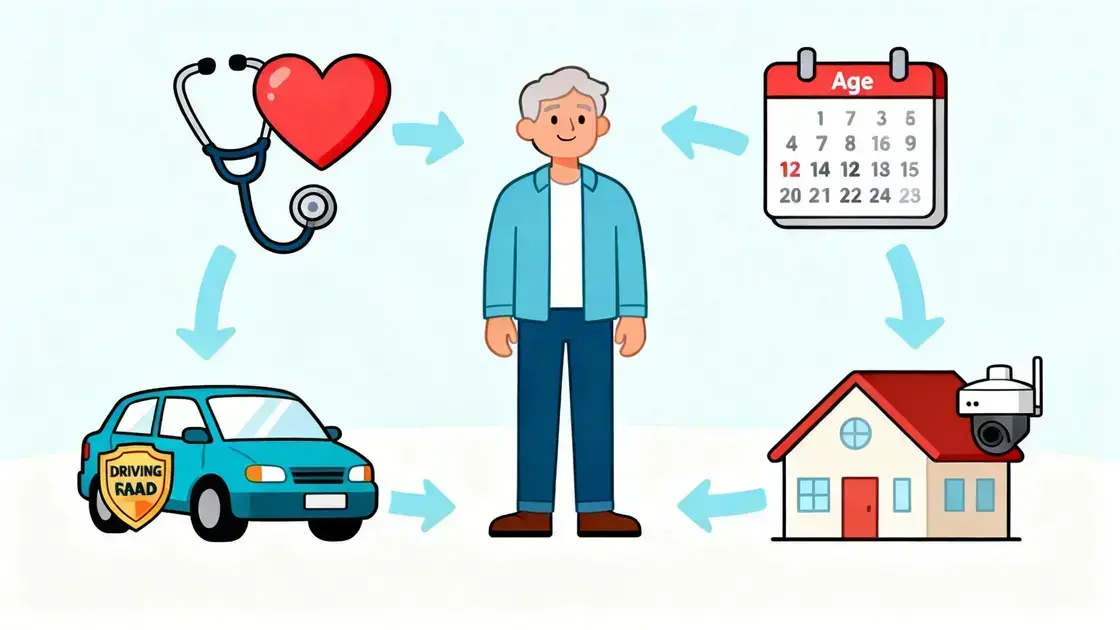
Age plays a significant role in determining insurance eligibility for various types of policies. Younger individuals often face higher premiums, especially for auto insurance. This is because younger drivers are viewed as less experienced and hence, at greater risk of accidents.
As people grow older, they may find themselves qualifying for lower rates. However, senior citizens may face different challenges. Insurance companies might charge higher premiums for health coverage due to the increased likelihood of medical issues associated with age.
Understanding how age impacts insurance eligibility can help consumers make informed choices. Being aware of age-related factors allows you to plan better for your insurance needs and seek out policies that fit your life stage and circumstances.
Lifestyle Choices and Insurance
Lifestyle choices can greatly affect your insurance eligibility. Insurers evaluate factors such as smoking, drinking, and exercise habits when assessing risk. For instance, someone who smokes may face higher premiums for health insurance, as smoking is linked to increased health risks.
Additionally, engaging in high-risk activities, like extreme sports or racing, can also influence your rates. Insurance companies look at these lifestyle choices to determine how likely you are to file a claim. People with safer lifestyles often enjoy lower premiums and better coverage options.
Making positive lifestyle changes can lead to better insurance deals. By quitting smoking or maintaining a healthy weight, you can improve your eligibility for various policies. Understanding how your daily choices impact your insurance can help you take control of your coverage and costs.
Navigating the Application Process
Navigating the application process for insurance can seem complex, but understanding the steps can make it easier. Start by gathering all necessary documents, such as your ID, proof of income, and medical history. Having this information ready will streamline your application and help you avoid delays.
When filling out the application, be honest and thorough. Misrepresenting your information can lead to denied coverage or higher rates later on. Make sure to review your answers carefully before submitting your application.
After submitting, stay engaged with the insurance company. You might receive follow-up questions or requests for additional information. Responding quickly can help expedite the approval process and get you the coverage you need without unnecessary waiting.