

Insurance can be complex due to the jargon used by companies. Familiarizing yourself with common terms can empower your decisions.
Don’t let confusing language hold you back. Keep reading to discover essential insurance terminology and enhance your understanding!
Understanding Common Insurance Terms
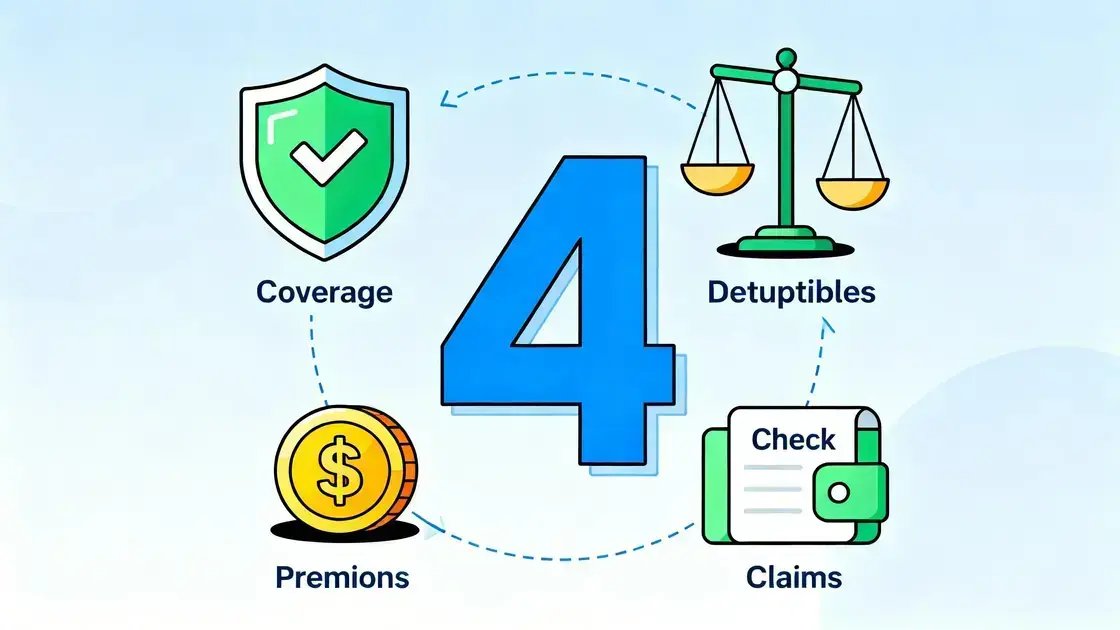
Understanding common insurance terms is essential for making informed decisions. When you hear phrases like ‘premium’ or ‘deductible,’ it can be confusing. A premium is the amount you pay, usually monthly, to keep your insurance active. It’s important to know this cost to budget effectively.
A deductible is another key term. This is the amount you must pay out of pocket before your insurance kicks in. For instance, if your deductible is $500, you need to pay that much yourself before your insurer helps cover costs. Knowing how deductibles work can save you money on claims.
Finally, you might come across the term coverage. This refers to the protection your insurance provides. Each policy has different coverage limits and conditions. Understanding what your policy covers can help you choose the best option for your needs.
Key Concepts in Life Insurance
Life insurance is designed to provide financial security for your loved ones after you pass away. One of the key concepts is beneficiary. This is the person or people who will receive the money from your policy. Choosing the right beneficiary is essential, as they will rely on this money to cover expenses.
Another important concept is the death benefit, which is the amount of money your beneficiaries receive when you die. This amount can vary based on the type of life insurance you choose. It is crucial to understand how much coverage you need to ensure your family is secure.
There are two main types of life insurance: term life and whole life insurance. Term life insurance covers you for a specific period, while whole life insurance lasts your entire life and can build cash value. Knowing the differences helps you make the best choice for your situation.
Decoding Auto Insurance Policies
Decoding auto insurance policies can feel overwhelming, but understanding the basics is vital. One key component is liability coverage, which helps pay for damages you might cause to others in an accident. Most states require a minimum amount of liability coverage, so it’s crucial to know what your policy includes.
Another important term is collision coverage. This type of insurance helps pay for repairs to your own car after an accident, regardless of who is at fault. Knowing whether you need collision coverage can help you protect your vehicle and manage repair costs.
Don’t forget about comprehensive coverage, which covers non-collision-related damages like theft or natural disasters. It’s essential to assess your needs when deciding on comprehensive coverage. Understanding these key terms will guide you in making the right choices for your auto insurance.
Health Insurance Terminology Explained
Health insurance can seem complicated, but knowing some basic terms can make it easier to understand. One key term is premium, which is the amount you pay each month for your health coverage. It’s important to budget for this cost, as it helps keep your insurance active and ready to use when you need it.
Another common term is diferential. This amount is what you pay out of pocket before your insurance starts helping with costs. If you have a deductible of $1,000, you must pay that much for covered services before your insurance takes over. Understanding this helps you prepare for medical expenses.
Finally, you might hear about network when discussing health insurance. This refers to the group of doctors and hospitals that have agreements with your insurance company. Staying within your network often means lower costs, so it’s crucial to know which providers are included in your plan.
Intro to Homeowners Insurance
Homeowners insurance is important for protecting your house and belongings. It typically covers damage from events like fire, theft, or storms. Understanding the basics of coverage can help you choose the right policy for your needs. Coverage can vary, so it’s good to know what is included and what is not, so you’re prepared for the unexpected.
Another key term is deductible. This is the amount you need to pay out of pocket before your insurance pays for a claim. For example, if your deductible is $1,000 and you have $5,000 in damages, you must pay the first $1,000, and then your insurer will cover the rest. Knowing your deductible helps you budget for potential repairs.
You might also hear the term liability coverage in homeowners insurance. This part of your policy protects you if someone is injured on your property. It can help pay for medical bills or legal fees if needed. Understanding liability coverage ensures you are prepared for any accidents that may occur in your home.
Navigating Liability Insurance Terms
Navigating liability insurance terms is essential for understanding your coverage and protecting your assets. One important term is general liability, which covers claims against you for bodily injury or property damage to others. This type of insurance is crucial for both businesses and homeowners, as it helps shield you from financial loss during unexpected incidents.
Another key term to know is professional liability, also called errors and omissions insurance. This type of coverage protects professionals from claims resulting from negligence or mistakes in their work. If you’re in a profession that offers services or advice, understanding this term is vital to ensuring that you are adequately protected against potential lawsuits.
Lastly, you should be aware of policy limits. This term refers to the maximum amount your insurance company will pay for a claim. Knowing your policy limits helps you assess whether you have enough coverage to protect yourself in case of serious claims. It’s important to review your limits regularly to ensure they meet your needs.
Understanding Premiums and Deductibles
Understanding premiums and deductibles is crucial for managing your insurance policies. A premium is the amount you pay, often monthly or annually, to keep your insurance active. Think of it as a membership fee that ensures your coverage is in place when you need it. It’s essential to find a premium that fits your budget while still providing adequate protection.
A deductible is the amount you must pay out of your own pocket before your insurance starts covering costs. For example, if you have a deductible of $500 and you incur $2,000 in claims, you will pay the first $500, and then your insurance will cover the remaining $1,500. Knowing your deductible helps you prepare for potential expenses.
When choosing an insurance policy, both the premium and deductible come into play. Generally, a lower premium often means a higher deductible, and vice versa. Balancing these two factors is key to finding the right insurance plan that suits your needs and financial situation.