

Gardening Tips for Small Spaces can help you turn even the tiniest balcony or corner into a green oasis. You don’t need a big yard to enjoy the benefits of growing your own plants — all it takes is a bit of creativity, smart planning, and the right setup to make your space bloom beautifully.
Whether you’re living in an apartment or have a small patio, there are plenty of clever ways to maximize every inch. From vertical gardening and container setups to choosing the right plants for your light conditions, small-space gardening is all about making the most of what you have while keeping things fun and manageable.
If you’ve been dreaming of adding more greenery to your life but aren’t sure where to start, this is your sign to dig in. Keep reading for simple, practical tips that will help you grow a lush, thriving garden — no matter how limited your space may be.
Choose the Right Plants for Limited Spaces
Choosing the right plants is key for small spaces. Not all plants are suited for limited areas, so it’s important to select ones that thrive in pots or small beds. Opt for compact varieties, like dwarf fruit trees or smaller flowering plants, that won’t take over your space.
Consider the sunlight available in your area. Some plants love full sun, while others prefer shade. Plants like succulents and herbs can do well in sunny spots, while shade-tolerant options, such as ferns, are good for darker corners. Knowing your light conditions can help you pick the best plants.
Additionally, think about how much time you can spend caring for your garden. Low-maintenance plants like snake plants or spider plants are great for beginners. They require little watering and attention. Picking easy-care plants can make gardening enjoyable without feeling overwhelming.
Vertical Gardening Techniques
Vertical gardening is a smart way to make the most out of small spaces. By growing plants upward, you can save ground space and create a beautiful green wall or tower. This technique is perfect for patios, balconies, or any area with limited horizontal space.
To start vertical gardening, use trellises, wall planters, or hanging pots. You can train climbing plants like beans or peas to grow up a support structure. This not only looks great but also allows for better air circulation and sun exposure for your plants.
Don’t forget to choose the right plants for vertical gardening. Herbs, strawberries, and small flowers work well in vertical setups. They are often lightweight and can thrive in smaller containers. With these techniques, you can enjoy a lively garden without needing a lot of ground space.
Container Gardening Essentials
Container gardening is an excellent choice for maximizing small spaces. Start by selecting the right containers that are the right size for your plants. Choose pots that have good drainage holes to help prevent overwatering. You can use plastic, clay, or even repurposed items like buckets for your herbs and flowers.
Next, fill your containers with quality potting mix, as this provides essential nutrients for your plants. Avoid using garden soil, which can be too heavy and may not drain well. When planting, make sure to follow the spacing guidelines for each type of plant, allowing enough room for growth.
Don’t forget to water your containers properly. Container plants often dry out faster than garden plants due to limited soil. Check the soil moisture regularly and water when the top inch feels dry. Regular fertilizing is also important to keep your plants healthy and blooming throughout the season.
Maximizing Sunlight in Small Areas
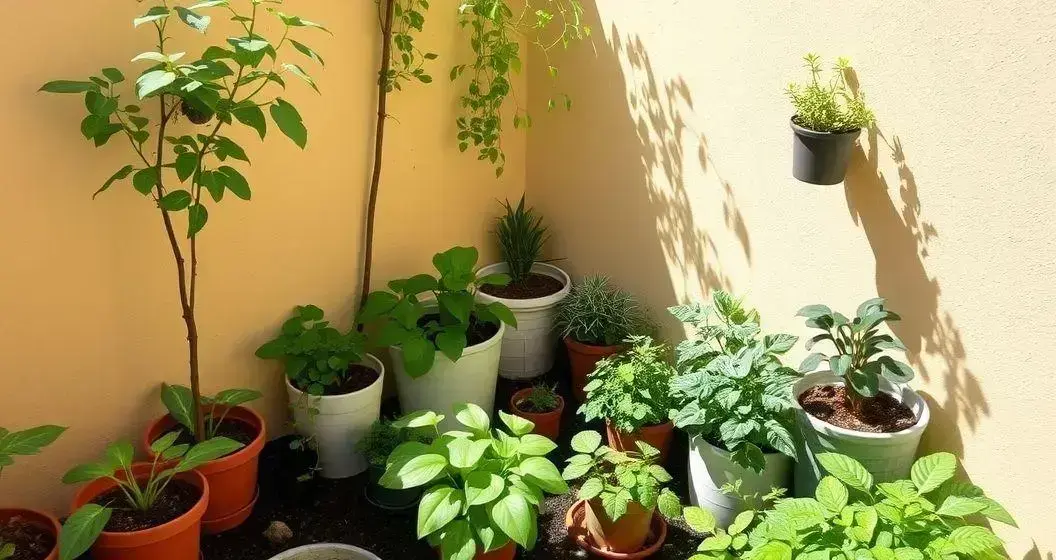
Maximizing sunlight is essential for healthy plants in small areas. First, observe how the sunlight moves in your space throughout the day. Notice which spots get the most light and for how long. Areas that receive at least six hours of sunlight daily are perfect for growing many vegetables and flowers.
Next, choose the right plants that thrive in the sunlight available to you. If you have a sunny spot, consider sun-loving plants like tomatoes, peppers, and marigolds. For shaded areas, try shade-tolerant plants like ferns or hostas. Grouping plants with similar sunlight needs together can help you make the most of the light.
Lastly, consider using reflective surfaces to increase sunlight in your garden. Light-colored pots or nearby walls can reflect sunlight onto your plants, giving them extra light. Additionally, regularly trimming overhanging branches from trees can help eliminate shade and let more sunshine through, ensuring your plants get enough energy to grow.
Utilizing Indoor Spaces for Plants
Utilizing indoor spaces for plants can add beauty and freshness to your home. Start by choosing the right locations with adequate light. Windowsills, kitchen counters, and shelves are great spots for small plants. Herbs, succulents, and snake plants can thrive in these areas, brightening up any room while purifying the air.
Consider using creative containers to make the most of your indoor gardening. Hanging pots, wall planters, and tiered plant stands can save space and create a stunning display. You can even repurpose items like jars or old mugs to hold small plants. This not only keeps your space organized but also adds a unique touch to your decor.
Watering and caring for indoor plants can be different from outside gardens. Make sure to check the moisture levels regularly, as indoor plants often require less water. Using self-watering containers can help maintain consistent moisture.
Additionally, rotating your plants occasionally can ensure they receive even light exposure, helping them grow strong and healthy indoors.
Creative Potting Solutions
Creative potting solutions can transform how you experience gardening in small spaces. Consider using unconventional containers such as wooden crates, wheelbarrows, or even old boots to add charm and personality to your garden. These unique options not only look great but also give your plants plenty of room to grow while saving space.
Another idea is to mix and match containers of different heights to create a tiered effect. This adds visual interest and allows you to utilize vertical space effectively. Use plant stands or stackable planters to organize your plants and make them accessible. Tall plants can provide shade for shorter ones, creating a mini ecosystem right in your garden.
Don’t forget about the importance of drainage. When using creative containers, ensure they have proper drainage to keep plants healthy. Add gravel or pebbles at the bottom of your containers to help with water flow. This way, you can enjoy a beautiful and productive garden without worrying about overwatering your plants.
Companion Planting for Small Gardens
Companion planting can greatly enhance the success of small gardens. This method involves growing different plants close together for mutual benefit. For instance, pairing tomatoes with basil not only improves the flavor of the tomatoes but also helps repel pests. These compatible plants support each other’s growth and make the most of the available space.
Another great combination is planting carrots alongside onions. The strong smell of onions can help prevent pests from attacking carrots. This strategy allows you to use your garden space efficiently while keeping your plants healthy. Taking the time to plan your garden layout can lead to a thriving ecosystem right at home.
Additionally, using companion planting can reduce the need for chemical fertilizers and pesticides. When plants are paired wisely, they naturally protect each other and promote healthier growth. This makes your small garden not only productive but also eco-friendly. Embrace companion planting for a sustainable approach to gardening in limited spaces.
Seasonal Gardening Tips for Small Spaces
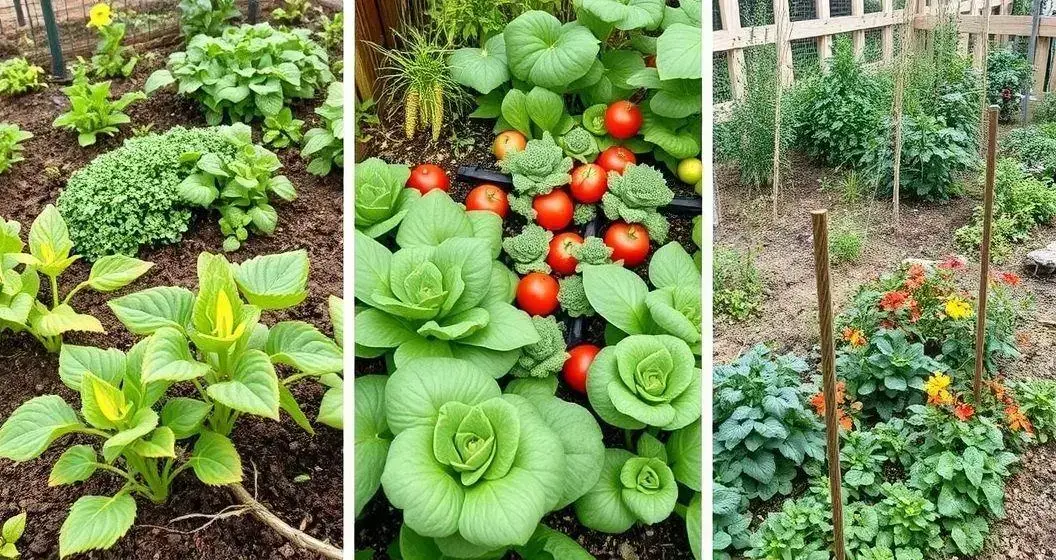
Seasonal gardening in small spaces means planning your plants according to the time of year. In spring, consider starting with cool-season crops like lettuce and peas. These plants can thrive in mild temperatures and can be harvested before the heat of summer.
Use containers to give these plants plenty of room to grow, ensuring they have enough sunlight and nutrients throughout their life cycle.
As summer arrives, switch to heat-loving plants like tomatoes, peppers, and basil. These vibrant plants can flourish in warm weather and will provide delicious harvests. Make sure to water them consistently, especially during dry spells, to keep your small garden thriving. Using mulch can help retain moisture in the soil and prevent weeds from taking over.
In the fall, look for season-extension techniques that allow you to maximize your garden’s productivity. Consider adding row covers or cloches to protect your plants from the first frost, giving you a chance to harvest late-season crops.
Also, planting garlic or onions in the fall can set you up for an early spring harvest, making the most of your small gardening space throughout the year.
Maintenance Tips for Small Space Gardens
Maintaining a small space garden is crucial for keeping your plants healthy and productive. Regular watering is essential, but it’s important not to overwater. Check the soil moisture by sticking your finger in the soil about an inch deep. If it feels dry, it’s time to water. Using self-watering containers can also help manage moisture levels without much effort.
Weeding your garden regularly will keep your plants happy and free from competition. In small spaces, weeds can quickly take over. Spend a few minutes each week checking for weeds and removing them by hand. This will help your plants grow better and prevent unwanted pests from hiding in the foliage.
Lastly, fertilizing your plants is key to providing them with the nutrients they need. Use a balanced fertilizer that’s designed for container gardens. Apply it every few weeks during the growing season. Pay attention to the specific needs of your plants, as some may require more or less feeding than others. Healthy plants will thrive in your small space garden!