
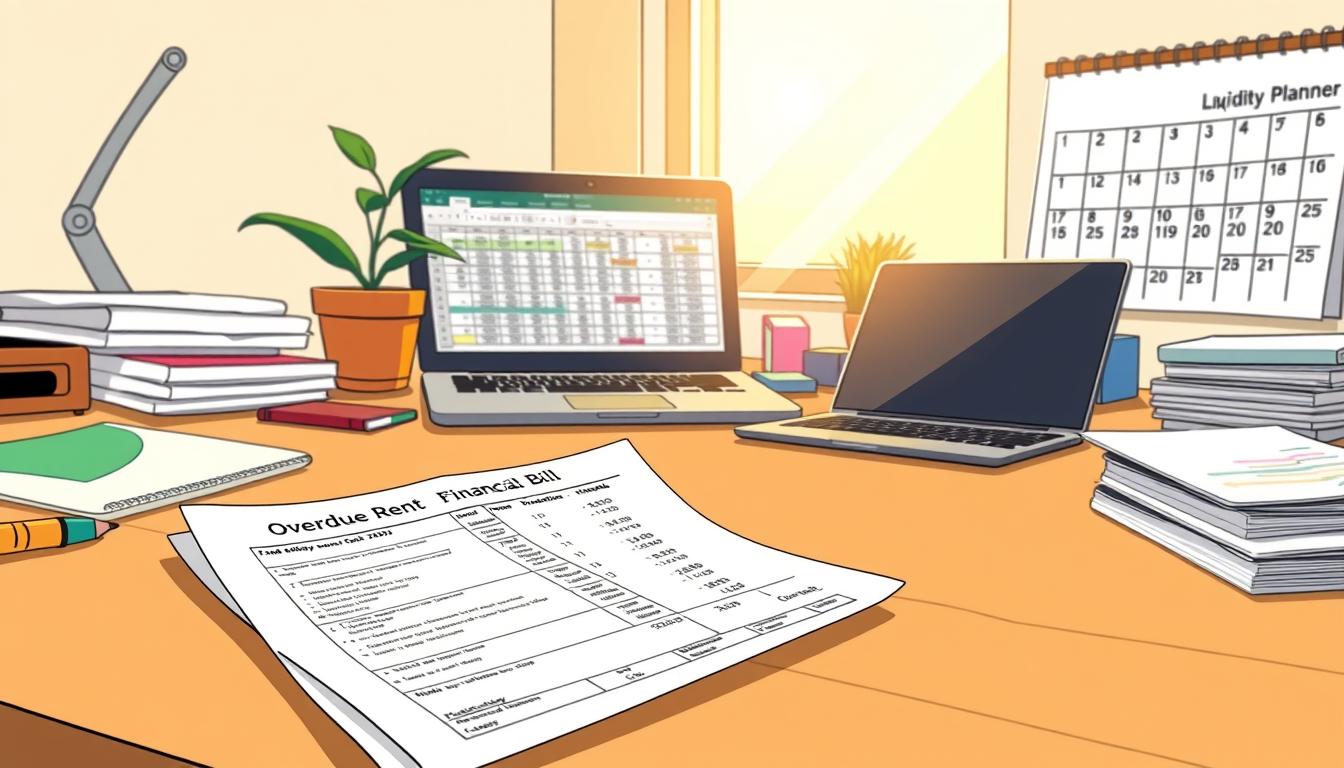
Financial liquidity planning matters when a household can cover its bills overall but rent falls due before payday. The household may have savings and a healthy net worth, yet still lack cash on the date it needs to pay. That gap can lead to late fees, rushed borrowing, or a missed bill.
Account totals alone do not show whether money will be ready at the right time. A retirement account, for example, may add to net worth without helping with a bill due next week. A household budget should account for when money can be used, not just how much appears across accounts.
Upcoming expenses can arrive before income does, even when a household has enough money overall. Preparing for those dates can help reduce last-minute choices and surprise shortfalls. Timing is the first issue to solve, so the next step is to build a forward-looking forecast.
What Should a Cash-Flow Forecast Include?
A useful cash flow forecast records both the amount and timing of expected income and spending. A cash-flow forecast is a projection of when money will come in and go out over a chosen period. A spreadsheet or budgeting tool can track each date and estimated amount.
The forecast works best when it shows a running balance, not just monthly totals. A positive monthly total can hide a cash squeeze if several bills fall due before a paycheck. The forecast period might cover the next few months, with dates added as plans change.
To start, enter these five inputs:
- Opening cash balance: Record money currently available for spending and bills.
- Expected income and payment dates: Include paychecks, benefits, or other income, with the dates each payment should arrive.
- Fixed bills: Add regular costs, such as rent, insurance, and utility bills, with their due dates.
- Variable spending: Estimate changing costs, such as groceries, fuel, and household supplies.
- Debt payments or known irregular costs: Include loan payments and bills that do not arrive each month.
Dates matter as much as estimates. If income varies, the forecast should show income volatility rather than assume every pay period brings the same amount. That can reveal a thin balance before a low-income week.
Annual and seasonal bills are easy to miss because they do not appear on every monthly statement. Car registration, school costs, or a winter heating bill can still create a large withdrawal. The forecast reveals when money is needed, which makes it easier to sort those needs by type and timing.
Financial Liquidity Planning: How to Map Upcoming Cash Needs
A bill due Tuesday can cause a shortfall when the next paycheck arrives Friday. Map each need by its due date, amount, and importance, then watch for dates that come before income. This turns forecast entries into a view of the weeks when cash may run low.
Separate predictable bills from variable costs
Recurring bills have set dates, so a household can plan around them. Variable essentials, such as groceries or fuel, change from month to month. Recent spending can help estimate these costs without treating every month as identical.
Essential expenses deserve close attention because a missed payment can disrupt housing, utilities, food, or transportation. Less urgent spending may offer room to adjust if several necessary bills land together. A due date can make even a planned expense hard to cover when income comes later.
| Expense type | Timing pattern | Planning approach |
|---|---|---|
| Recurring bills | Regular due dates | Schedule by due date |
| Variable essentials | Changes month to month | Estimate from recent spending |
| One-time costs | Known date or advance notice | Set aside funds ahead of time |
| Income gaps | Uncertain or delayed payment | Map the shortfall window |
Flag one-time expenses and income gaps
Irregular expenses may include a car repair, an annual insurance bill, or a planned school fee. One-time costs still need a place on the calendar when their dates are known. Setting aside money ahead of time can keep one large payment from draining the amount needed for daily bills.
An income gap can arise when a payment is delayed or arrives less often than bills do. Mark the start and end of that gap, then estimate the amount needed to cover it. A planned expense may still create a cash squeeze if its due date falls before income arrives.
The largest timing gaps show how much cash must bridge the hardest weeks. That map helps determine an appropriate reserve for needs that cannot wait until the next deposit.
How Large Should Cash Reserves Be?
A commonly used emergency-fund guideline is three to six months of essential expenses, but that range is a starting point, not a rule for every household. The right cash reserve depends on how steady income is and what other support is available.
Income that changes often can call for a larger cushion than steady pay. Dependents may raise the amount a household needs to protect, while strong insurance coverage may lower some risks. Accessible savings or other resources can also affect the target, if they are available during a shortfall.
A household can set an initial target with these five steps:
- Total essential monthly expenses, such as housing, food, utilities, insurance, and required debt payments.
- Choose an initial target within the three-to-six-month guideline based on current needs and income patterns.
- Subtract accessible savings already set aside for emergencies from the amount needed for the target.
- Set a regular contribution that fits the budget, such as an amount from each paycheck.
- Revisit the target after a major change in income, household needs, or available resources.
The target should cover real needs, not every cost a household might choose to pay. A common mistake is counting money already committed to a near-term bill as emergency savings. That money has a job, so it cannot safely cover a separate surprise.
Some households may build the reserve over time rather than reach the full target at once. A steady contribution can grow the cushion without creating another strain on current bills. The target only helps if the money stays accessible, so its storage place matters.
Where Should Reserves for Upcoming Cash Needs Go?
Money for next month’s rent belongs somewhere easy to reach, while a reserve for a later need may allow more options. Match each dollar’s access to the date it may be needed. Liquid assets are money that can be accessed or converted to cash quickly with little loss in value.
Keep immediate bills in deposit accounts
A checking account can keep bill money ready for near-term payments. A savings account is often easy to access and can hold a cash reserve separate from everyday spending. Rates and account terms vary, so the household should check how transfers and withdrawals work.
A money market deposit account may also suit reserve funds when its terms fit the household’s needs. It is a bank deposit account, not the same thing as a money market mutual fund. Account features and terms vary, so access should be clear before the money is needed.
| Option | Access | Tradeoff | Suitable use |
|---|---|---|---|
| Checking account | Typically immediate | May earn little or no interest | Bills due soon |
| Savings account | Typically easy to access | Rates and account terms vary | Cash reserve |
| Money market deposit account | Typically accessible | Account features and terms vary | Reserve funds when its terms fit |
| Certificate of deposit | Access depends on its term | Early withdrawal may incur a penalty | Money not needed before maturity |
Match less urgent goals to other vehicles
A certificate of deposit, or CD, holds money for a set term. It may suit short-term goals with a known date, but it can restrict access before maturity. An early withdrawal may bring a penalty, so funds needed for an urgent bill generally do not belong there.
Before opening an account, check its terms and whether deposits qualify for FDIC or NCUA insurance. Coverage depends on the institution and account, so a household should not assume every account has identical protection. Keep a record of which funds cover bills and which serve as a reserve.
The right choice depends on when the cash is needed, not just the account name. Keeping near-term bill money easy to reach can limit disruption, while less urgent funds may have different tradeoffs. Access should match the money’s due date, and the plan should change when circumstances do.
How Should the Plan Be Reviewed and Adjusted?
The plan should be reviewed on a routine schedule and whenever a major financial change occurs. A monthly check can catch a balance or date change before it turns into a shortfall. The review compares actual balances and upcoming dates with the current forecast.
At each monthly check, compare the forecast with what actually came in and went out. Note which bills cost more than expected and which payments arrived late. A small change may call for a new estimate, while a major change can shift the whole plan.
Some events call for an immediate update rather than waiting for the monthly review. A change in income, a new dependent, a large repair, or a delayed payment can change the available cash. Cash-flow changes should appear in the plan as soon as the household knows about them.
A simple review can follow these steps:
- Check current balances and confirm which money is already committed.
- Compare expected income and bills with their actual dates and amounts.
- Update estimates when income changes or a new cost appears.
- Test a lower-income or higher-expense case for the coming months.
- Decide in advance which optional spending can pause if that case occurs.
A contingency plan makes a bad month easier to manage. For example, a household could name which nonessential purchases it would delay if a paycheck arrived late. That choice is easier to make before bills are due than during a cash crunch.
Testing a tougher case also shows whether the reserve is enough for the household’s current risks. It need not predict every event; it should show which actions come first when cash tightens. Continuing to rely on old estimates after a major life or income change is a mistake.
A current plan makes it easier to act before a shortfall arrives. One useful next step is to update the dates and amounts as soon as a change becomes clear.
Conclusion
Preparing for upcoming cash needs starts with knowing when the money will be needed. The total amount saved matters, but timing and access matter too. A household that checks both can spot a cash gap before a bill comes due.
A short calendar can make the first step clear. List income dates and major bills for the next three months, then compare the dates with the cash on hand. Mark the first gap that needs attention.
Make that calendar now, and use it to identify the first gap to address.