
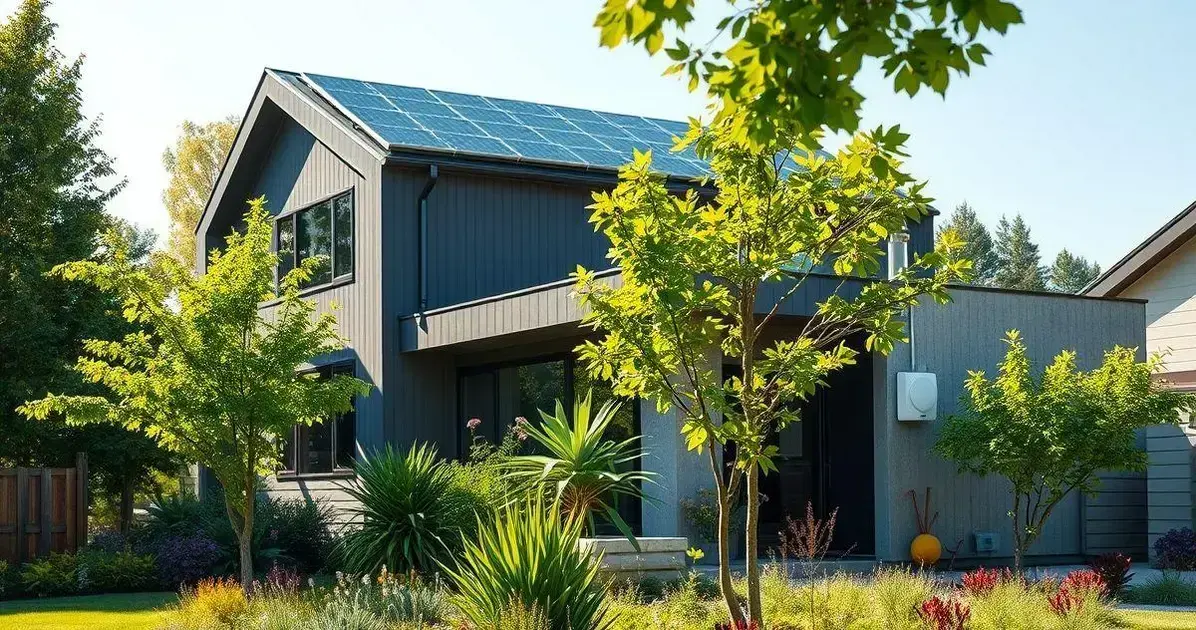
Energy-Saving Tips for Reducing Bills start with understanding how your daily habits impact your expenses. If you’ve ever wondered why your monthly costs keep rising, small changes at home might be the answer.
Saving energy doesn’t have to mean big sacrifices. With just a few mindful adjustments, you can make a real difference in your bills and still keep your comfort intact.
Ready to take control of your energy use without overcomplicating things? Let’s explore practical ideas you can start using today.
Understanding Energy Consumption
Understanding energy consumption is key to managing your utility bills. Every time you use electricity, whether it’s turning on lights or running appliances, energy is consumed. Knowing how and when you use electricity helps you identify ways to save.
For instance, many people don’t realize that heating and cooling typically account for the largest part of energy bills.
Another important aspect is looking at how different devices consume energy. Some appliances use less energy when they are energy-efficient. An energy-efficient appliance can cut down your energy consumption and save you money each month. That’s why it’s wise to pay attention to appliance ratings when making purchases.
Lastly, becoming aware of your energy habits can lead to meaningful changes. Simple actions like turning off lights when leaving a room or unplugging devices when not in use can make a big difference. By understanding your energy usage, you can find practical ways to reduce consumption and keep your bills lower.
The Benefits of Energy Efficiency
The benefits of energy efficiency are significant for homeowners and the environment. First, using less energy means lower utility bills. When you invest in energy-efficient appliances or insulation, you save money every month. This adds up over time and helps you keep more of your hard-earned money without sacrificing comfort.
Besides saving money, energy efficiency also supports a healthier planet. When we use less energy, we reduce the demand on power plants. This means fewer greenhouse gases and less pollution in the air. By choosing energy-efficient options, you contribute to a cleaner environment and help combat climate change.
Moreover, energy-efficient homes often have enhanced comfort levels. Proper insulation and efficient heating and cooling systems maintain a steady temperature throughout your home. This means you can enjoy a cozy environment in winter and a cool retreat in summer, all while staying within your budget.
Simple Energy-Saving Tips
Implementing simple energy-saving tips can make a big difference in your bills. One easy tip is to switch off lights when you leave a room. This simple habit can save you money and reduce your energy usage. Additionally, using natural light during the day can cut down the need for electric lights.
Another great tip is to unplug devices that you aren’t using. Many electronics still draw energy when they are plugged in, even if they are turned off. By unplugging these devices, you can reduce energy waste and lower your bills without changing your daily routine.
Lastly, adjusting your thermostat can be a powerful way to save energy. In winter, set your thermostat lower during the night and use warm blankets. In summer, set it higher when you’re away. These small adjustments can lead to significant savings on your energy bills.
Smart Home Devices for Savings
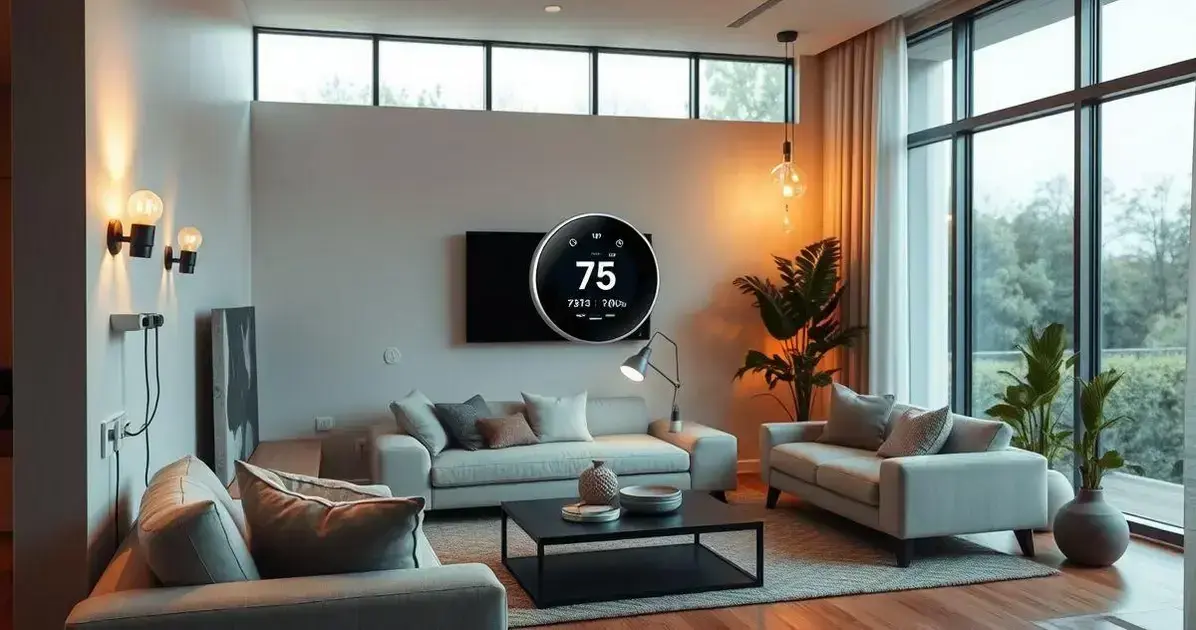
Using smart home devices for savings is a great way to cut down on energy costs effortlessly. Smart thermostats, for instance, learn your schedule and adjust temperatures automatically. This means your home is warm when you’re there and cool when you’re away, helping you save money on heating and cooling.
Another excellent option is smart plugs. These devices allow you to control when electronics are used, so you can switch them off remotely. This prevents wasting energy on devices that are not in use. By monitoring your usage, you can easily find patterns and adjust your habits for better savings.
Smart home lighting is also a fantastic way to save energy. With smart bulbs, you can set timers or adjust brightness levels from your phone. This means you can ensure lights are off when they shouldn’t be, which leads to lower energy bills. Embracing these smart technologies can make managing your energy consumption simpler and more effective.
Seasonal Energy-Saving Strategies
Implementing seasonal energy-saving strategies can lead to big savings on your bills. In the winter, consider lowering your thermostat a few degrees. You can stay warm with cozy blankets and sweaters, reducing your heating costs. Also, make sure to block any drafts around windows and doors to keep the warmth inside.
During the summer, try using fans instead of air conditioning when possible. Fans use less energy and can keep your home comfortable. When it’s hot outside, you can close blinds or curtains to keep the sun from heating up your living spaces, allowing your home to stay cooler naturally.
In the spring and fall, take the time to adjust your energy usage as temperatures change. Use natural ventilation by opening windows to let in fresh air instead of relying on HVAC systems. These simple actions not only cut costs but also make your home more comfortable throughout the year.
Tracking Your Energy Usage
Tracking your energy usage is essential for understanding how much power you really consume. Many utility companies provide reports showing your energy use over time. Reviewing these reports can help you identify patterns and see where you might be wasting energy. This awareness is the first step towards making changes to save money.
Another effective way to monitor your energy consumption is by using smart meters. These devices provide real-time data on your energy usage. With this information, you can see how specific devices affect your energy bill. By tracking usage daily or weekly, you can adjust your habits more effectively.
Additionally, keeping a log of your energy costs can help you see how changes impact your bills. Note when you lower your thermostat or unplug devices. Over time, you will notice which changes lead to savings. This understanding empowers you to make informed choices to reduce your energy costs.
Energy-Efficient Appliances
Investing in energy-efficient appliances is a smart way to save money on your energy bills. These appliances use less energy than their standard counterparts, which can lead to significant savings over time. For example, a high-efficiency washing machine uses less water and electricity, making laundry day cheaper and more eco-friendly.
When shopping for new appliances, look for the Energy Star label. This label means the appliance meets energy efficiency guidelines set by the government. Choosing Energy Star products can reduce energy consumption and help protect the environment while keeping your home comfortable.
Moreover, energy-efficient appliances often have advanced features that increase convenience. For instance, smart refrigerators can help you track food inventory and waste, while energy-saving dishwashers can clean your dishes with less water. By switching to these appliances, you not only save money but also enjoy modern features that can simplify your daily routine.
Energy-Saving Tips for Reducing Bills: Creating an Energy-Saving Plan

Creating an energy-saving plan is a great way to take control of your energy consumption. Start by evaluating your current energy usage. Look at your utility bills from past months to see when you use the most energy. This information will help you identify which areas need the most attention and where you can make changes.
Next, set specific, achievable goals to reduce your energy usage. For example, you might aim to lower your heating costs by adjusting the thermostat or use energy-efficient lighting throughout your home. Write these goals down and track your progress regularly. This helps keep you motivated and focused on your energy-saving journey.
Finally, involve your family in the energy-saving plan. Teach them about the small changes they can make, like turning off lights or unplugging devices. By working together, you will create a culture of conservation at home. Sharing your progress and celebrating achievements will make saving energy a fun and rewarding experience for everyone.