
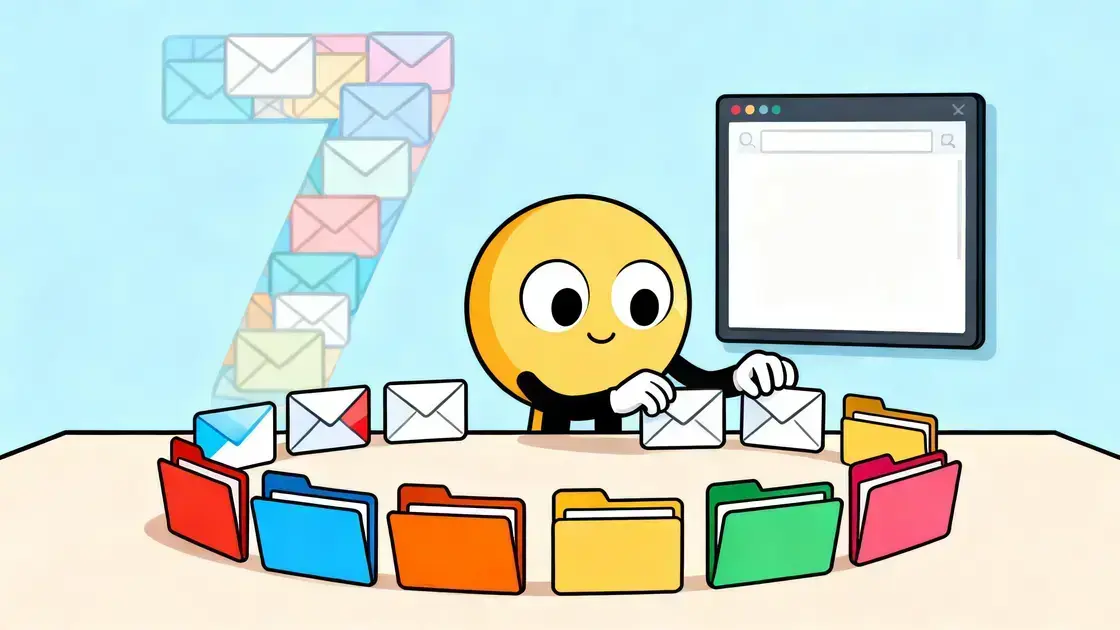
In today’s fast-paced world, email sorting habits for cleaner inboxes are essential. A cluttered inbox can overwhelm you and disrupt productivity, making it challenging to focus on tasks.
Implementing effective sorting strategies can elevate your workflow and help you find important messages easily. With the right techniques, you can avoid inbox chaos and reclaim your time and sanity.
Discover simple yet powerful habits to streamline your email management. Keep reading to uncover strategies that will make your inbox a beacon of organization!
Understanding Email Overload
Email overload is a common issue for many people. When your inbox is full, it can feel impossible to manage. Important messages get buried under promotions and spam. This can lead to stress and lower productivity at work or home.
Understanding email overload means recognizing its impact on your daily life. It can create a sense of chaos, making it hard to focus on what really matters. You may find yourself spending too much time searching for emails instead of completing tasks.
To tackle email overload, it helps to identify common causes. Frequent notifications, a lack of organization, and unanswered emails can all contribute. By becoming aware of these factors, you can start creating habits that lead to a cleaner, more efficient inbox.
The Benefits of Organizing Emails
Organizing emails can bring many benefits to your daily routine. When your inbox is tidy, it is easier to find important messages quickly. This saves time and helps you focus on tasks that matter most. A clear inbox reduces the feeling of being overwhelmed and allows for better decision-making.
Another benefit of organizing emails is improved productivity. With fewer distractions, you can concentrate on your work. You will spend less time scrolling through cluttered emails and more time completing your tasks. This leads to a sense of accomplishment and can even lower stress levels.
Finally, organized emails create a professional image. When you respond to messages promptly and from a well-kept inbox, it reflects well on you. Others will appreciate your organization and may feel more confident in communicating with you. This can open doors for better collaboration and relationships.
Effective Sorting Techniques
Effective sorting techniques can help you manage your inbox with ease. One great method is to create folders for different categories, such as work, personal, and important. This way, you can quickly move emails to their proper place. When you need to find something, you won’t have to scroll through a long list of messages.
An additional technique is to use tags or labels to highlight priority emails. By marking emails that need your attention, it becomes simple to locate them later. Try using colors for different levels of urgency. This visual cue can help you decide what to tackle first without getting distracted.
Set aside time each day for sorting your emails. Make it a habit to check your inbox regularly. During this time, delete unnecessary messages and archive old ones. This practice not only keeps your inbox cleaner but also helps you stay organized and focused.
Tools for Email Management
There are many tools available for email management that can simplify your life. Programs like Microsoft Outlook and Gmail come with built-in features that allow you to filter and categorize your emails easily. You can set up rules for automatic sorting, which saves time and keeps your inbox organized without much effort.
Another great option is email apps like Spark or Todoist. These apps offer added features such as snoozing emails and reminders. With these functionalities, you can focus on what’s important right now and deal with less urgent emails later. This helps ensure you don’t miss out on crucial tasks while managing your inbox.
Using productivity tools like Trello or Asana can also help. You can convert important emails into tasks within these platforms. This way, you ensure that every action item is tracked. By integrating your email with task management tools, you can boost your productivity and follow through on your commitments with ease.
Setting Email Priorities
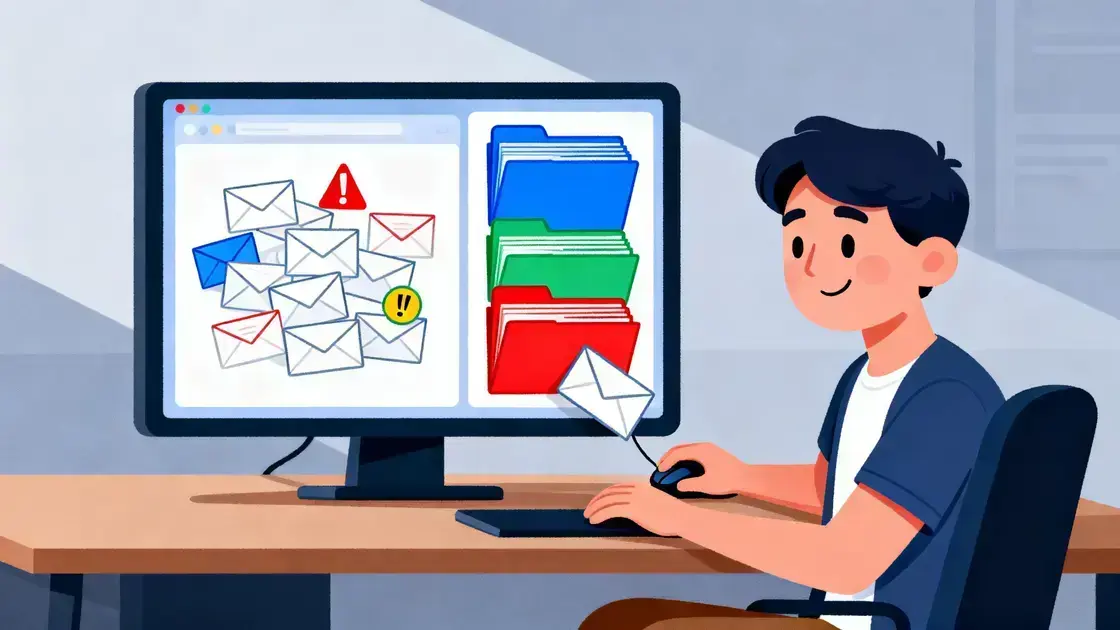
Setting email priorities is key to managing your inbox effectively. Begin by identifying which emails are most important. These could be messages from your boss, deadlines for projects, or anything that requires urgent attention. By recognizing these, you can focus on tasks that truly matter and avoid wasting time on less important emails.
Another way to prioritize emails is to use a simple system. For example, you could label emails as ‘urgent,’ ‘important,’ and ‘low priority.’ This organization method helps you quickly see what needs your attention first. You can also use color coding to give visual cues for each category, making it easier to find what you need at a glance.
Lastly, regularly review your email priorities as they can change day by day. Set aside a few minutes each day to adjust your labels or categories as needed. This practice keeps your focus sharp and helps you adapt to new tasks that come in. By actively managing your email priorities, you ensure that you stay on top of your responsibilities.
Creating Folders and Labels
Creating folders and labels is a simple yet powerful strategy to manage your emails. By setting up specific folders, you can categorize messages based on topics like work, personal, or projects. This helps keep your inbox clean and makes it easy to find emails when you need them. Just think about the different areas of your life, and create folders that reflect those categories.
Labels can enhance your email organization further. With labels, you can tag emails based on urgency or importance. For example, you might have labels like ‘Urgent,’ ‘Follow Up,’ or ‘Read Later.’ This system allows you to see at a glance what needs your attention without digging through numerous emails.
Don’t forget to regularly update your folders and labels as needed. As projects change or new priorities arise, make adjustments to reflect your current needs. This habit keeps your email system relevant and helps you maintain a productive workflow. By consistently creating and managing folders and labels, you can streamline your email experience.
Daily Email Routines
Establishing daily email routines can greatly improve your productivity. Start each day by setting aside 15 to 30 minutes to check your inbox. During this time, focus on responding to urgent messages and sorting through new emails. This helps you begin your day with a clear understanding of what needs your attention right away.
In addition to your morning email check, consider doing a quick scan in the afternoon. This allows you to stay on top of incoming messages and address any new priorities that may have popped up. Use this time to delete unnecessary emails and archive old ones. Keeping your inbox tidy throughout the day is key to minimizing stress.
Finally, wrap up your day by reviewing your email tasks. Check off any completed actions and prioritize remaining items. This end-of-day routine helps you prepare for tomorrow, so you start fresh instead of feeling overwhelmed. By sticking to these daily routines, you can maintain a cleaner inbox and boost your overall efficiency.
Reducing Spam and Unwanted Emails
Reducing spam and unwanted emails is essential for a cleaner inbox. The first step is to use your email provider’s filtering options. Most email services allow you to mark unwanted messages as spam. When you do this, similar emails will automatically go to the spam folder in the future, helping to keep your inbox free from junk.
Another effective strategy is to unsubscribe from newsletters and marketing emails that no longer interest you. Many emails include an unsubscribe link at the bottom. Taking a few moments to click this link can significantly reduce the number of unwanted messages that clutter your inbox.
Lastly, be cautious when sharing your email address. Only provide it to trusted sites or people. You can also create a secondary email for sign-ups and online purchases. This way, your main inbox remains clean and focused on important communication. By following these steps, you can enjoy a more organized email experience and improve your productivity.
Reviewing and Adjusting Habits
Reviewing and adjusting habits is key to maintaining an organized email system. Take time each week to examine how you handle your emails. Are you still using the same sorting techniques that worked in the past? Assess what is effective and what needs improvement. This reflection can help you stay on top of tasks and prevent email overload.
Once you’ve identified areas for change, make necessary adjustments to your routines. For instance, if you find you’re not labeling emails consistently, set a reminder to do so after reading each message. Creating small changes can make a big difference in managing your inbox more efficiently. Consistency is crucial for long-term success.
Lastly, consider seeking feedback from team members or friends on their email habits. This can provide new insights and inspire different strategies you might want to try. Everyone has unique approaches, and learning from others can enhance your own email management skills. Regularly reviewing and adjusting your habits ensures that your email practices evolve with your needs.