
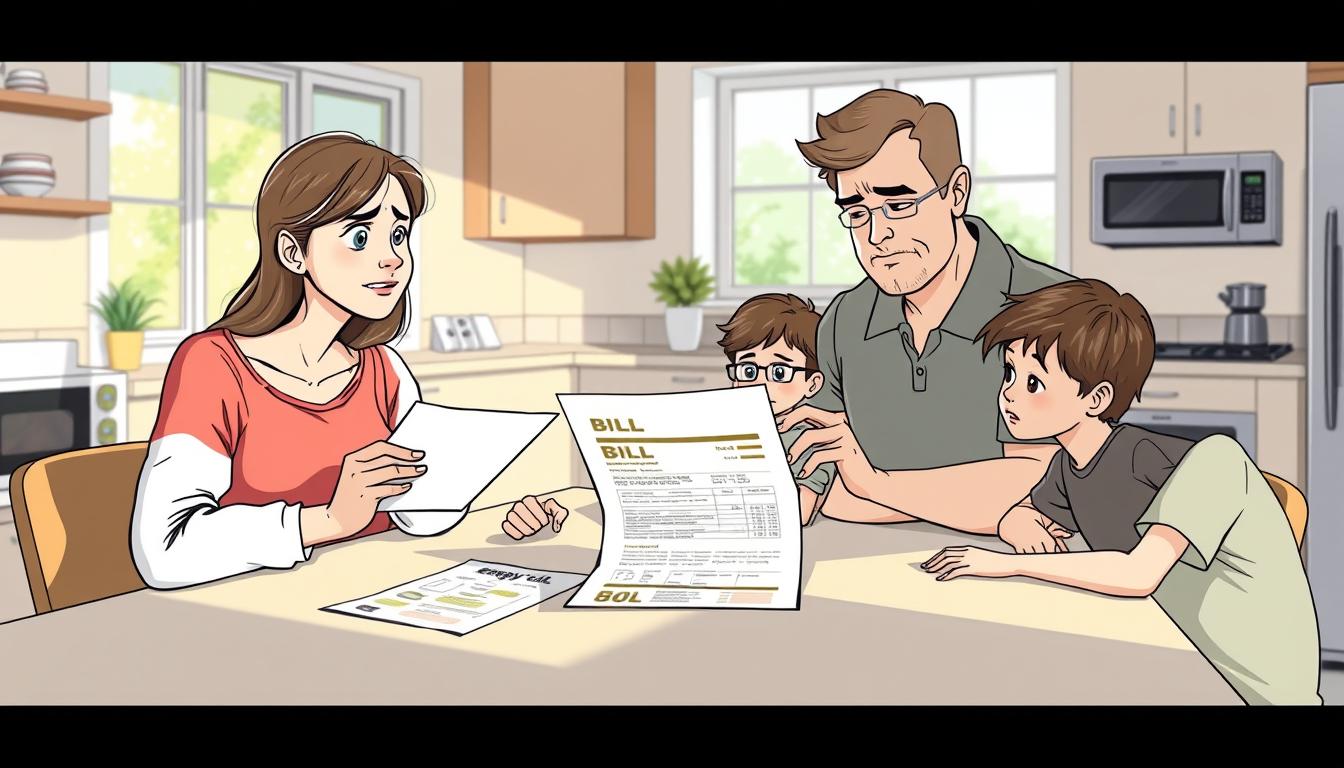
A household sees its electric bill climb, though household energy consumption seems unchanged. No one can name a new appliance or changed routine.
That surprise can make it tempting to blame a large appliance or change several habits at once. Yet the cause may be a longer billing period, seasonal weather, or a small source of home energy waste.
Some electricity use is normal, even when no one is home. Other use may come from a device that runs longer than needed or draws power while waiting.
With a few practical checks, households can separate likely waste from ordinary use. The first useful step is to check the household’s usage records before guessing at causes.
What Do Utility Bills and Smart Meters Reveal?
A bill’s kWh total reveals more about electricity use than its dollar amount alone. Compare kilowatt-hours, or kWh, across bills to see when use changed.
The amount due can rise when rates or fees change, even if electricity use stays steady. Bills report electricity use in kWh, so compare that figure as well as the total charge.
Check the number of days in each billing period. A bill covering 35 days may show more total kWh than one covering 28 days, even at the same daily pace.
Seasonal weather also matters. Cold or hot spells can increase heating or cooling use, so compare similar seasons when possible.
Baseload is the steady electricity use that remains when major appliances are off. A smart meter may show interval use, or electricity use in set time blocks, depending on the electric utility and account tools.
Those records can reveal whether use rose at night, on weekends, or across the day. Use the baseline to guide a focused home inspection rather than changing several things at once.
How Can Household Energy Consumption Be Audited Room by Room?
A household that changes several settings at once may not learn which change affected its use. A simple home energy audit works best when it records conditions before any changes.
The bill and meter check gives the household a starting point. A written record helps distinguish a lasting pattern from a one-time change in weather or occupancy.
Set a household baseline before changing settings
First, note recent kWh use and the dates covered by each bill. Record who was home, major schedule changes, and unusual weather during those periods.
Then inspect one area at a time. Write down what seems unusual before acting, so later comparisons can point to a likely cause.
Trace likely waste room by room
Use clues to decide where to look more closely. A clue suggests a question to investigate, not proof that a device is faulty.
| Area | Waste clue | What to check | First response |
|---|---|---|---|
| HVAC system | Runs when rooms are empty | Schedule and vent path | Note run times |
| Water heater | Frequent reheating | Use pattern and settings | Record hot-water use |
| Refrigerator | Runs often or feels warm | Door seal and airflow | Check seal and space |
| Lighting | Lights stay on in empty rooms | Switch and room use | Note when lights stay on |
| Electronics | Devices stay ready all night | Sleep and ready modes | List devices and timing |
A brief note beside each clue can make later checks more useful. The broad inspection points toward appliances that may merit a closer comparison.
Which Appliances Deserve the Closest Efficiency Check?
Two appliances doing the same job can use different amounts of electricity, especially when their use patterns differ. Older or heavily used appliances deserve a closer check, but age alone does not prove waste.
Look at how often a device runs and whether its size fits the household’s needs. An oversized or lightly used appliance may not be the best upgrade target.
Read labels and compare expected use
The ENERGY STAR label marks products that meet energy-efficiency criteria for their product category. It helps compare similar models, but it does not promise the same savings in every home.
Read the product’s energy information and compare like with like. A household should consider expected use, not just a label or a single efficiency claim.
Match appliance choices to household routines
Daily habits shape how much electricity an appliance uses. These checks can show whether the appliance or the routine deserves attention.
| Appliance | What affects electricity use | Efficiency clue | Routine to review |
|---|---|---|---|
| Refrigerator | Size, age, door openings | Energy information for similar size | Door opening frequency |
| Clothes washer | Water temperature, load size | ENERGY STAR label | Load size and cycle choice |
| Clothes dryer | Load size, drying time | Energy information for model | Drying each load fully |
| Dishwasher | Cycle, load size | ENERGY STAR label | How often it runs |
| Dehumidifier | Room moisture, run time | ENERGY STAR label | Hours of operation |
A useful comparison reflects the household’s real schedule, not an ideal one. From whole-appliance use, attention can shift to smaller loads that draw power while waiting.
Where Does Standby Power Hide?
A television that looks off may still be ready to respond to a remote or network signal. Standby power is electricity used by devices in sleep or ready modes.
These small loads can be easy to miss because a screen or light may be dark. A household can check common plug-in devices during a normal evening or before bed.
Look for these devices that may remain plugged in:
- Game consoles in sleep or quick-start mode
- Televisions and streaming devices waiting for a signal
- Desktop computers and monitors in sleep mode
- Chargers or other electronics left plugged in
A power strip can make a group of suitable devices easier to switch off together. It should not control devices that need continuous power or scheduled operation, such as equipment that must stay connected overnight.
Once plug loads are understood, the larger, weather-dependent demand for heating and cooling deserves attention.
How Do Heating and Cooling Systems Waste Energy?
Heating or cooling an empty home on the same schedule as an occupied one can use electricity unnecessarily. Thermostat schedules, blocked vents, drafts, and neglected filters are practical checks.
An HVAC system may run more than needed if its schedule does not match the household’s daily routine. A few measured checks can flag common problems without changing several settings at once.
Check thermostat schedules and settings
Review the thermostat schedule for hours when the home is empty. A setback of about 7-10°F for eight hours a day can save up to 10% on annual heating and cooling costs.
That result depends on the home and its heating and cooling system. Comfort, equipment type, weather, and household needs also affect whether a setback makes sense.
A smaller adjustment may suit a household with pets, changing work hours, or rooms that need steady conditions. The best schedule is one the household can follow without giving up needed comfort.
Inspect air leaks and system upkeep
Check that supply vents are open and not blocked by rugs or furniture. Feel around doors and windows for obvious drafts when the system runs.
Follow the system’s instructions for routine filter upkeep. A dirty or overdue filter can restrict airflow, while the right care schedule depends on the equipment and filter.
These checks address system use and the home’s air flow. Next, low-effort changes in lighting and everyday routines can reduce avoidable use.
Which Lighting and Everyday Habits Can Cut Waste?
A frequently used bulb is a better first LED replacement candidate than one switched on only briefly. LED bulbs use at least 75% less energy and can last up to 25 times longer than incandescent bulbs.
Choose an LED bulb that fits the fixture and gives the light the household wants. Small routine changes can also help, though convenience and household needs affect which ones work best.
These four actions can cut avoidable electricity use without replacing an appliance:
- Replace frequently used incandescent bulbs with suitable LED bulbs.
- Turn off lights in empty rooms.
- Use daylight when practical.
- Avoid partly full laundry or dishwashing loads when waiting for a full load is practical.
A household may not be able to wait for a full load every time. A busy schedule, urgent laundry, or limited dishes can make a smaller load the sensible choice.
These checks and small changes can become a prioritized plan based on evidence, effort, and what fits the home.
How Should a Household Prioritize Energy-Saving Changes?
A household renting may prioritize reversible operating changes, while a homeowner may also consider longer-term upgrades. The best next step is the one supported by evidence and suited to the household.
Not every possible upgrade makes sense for every home. A clear order helps households weigh effort, comfort, and likely use before spending money.
A household can use these four steps to choose what to do next:
- Address no-cost changes that match the household’s needs.
- Fix clear maintenance or operating issues.
- Compare upgrade options using expected use and efficiency information.
- Consider payback period, comfort, reliability, and expected time in the home.
The payback period is the time an upgrade takes to return its cost through lower bills. Its value depends on cost, actual use, energy rates, and household circumstances.
After each change, track results against the household’s baseline. That record helps show whether the action made a difference before another change begins.
Conclusion
The clearest first move is to investigate the biggest unexplained change, not to replace equipment at random. Measuring before a change and tracking one adjustment at a time makes it easier to see what helps.
Households can compare the next bill or available meter data with the baseline. Similar billing periods and weather make that comparison more useful.
A single change may not show a clear effect right away, so steady records matter. They can help households keep useful changes and reconsider ones that do not fit.
The next step is simple: record current kWh use and choose one likely source to check this week.