

Practical routines that make daily planning easier can change your life. They help organize your day, reduce stress, and boost productivity. By implementing these routines, you can achieve more and enjoy your time.
Everyone gets overwhelmed with tasks at times. Effective daily planning can help you regain control over your schedule. Simple adjustments to your approach make a big difference.
Enhance your well-being and efficiency with easy-to-follow routines that fit your lifestyle. Keep reading to discover techniques that can revolutionize your daily planning!
Understanding Practical Routines
Understanding practical routines is essential for effective daily planning. These routines help create structure in our lives, making it easier to accomplish tasks. When you have a clear routine, you know what to expect each day, reducing stress and confusion.
Every successful routine starts with identifying what works best for you. Practical routines don’t have to be complicated. Even simple actions like setting a regular time for meals or planning your day the night before can make a big difference.
By understanding and implementing practical routines, you can boost your productivity. These routines will help you focus on what truly matters. Soon, you will notice how smoothly your days flow and how much more you can achieve.
Key Benefits of Daily Planning
Key benefits of daily planning include better time management and reduced stress. When you plan your day, you can clearly see what tasks need to be done. This clarity helps you prioritize your activities and avoids last-minute rushes.
Another benefit is increased productivity. With a structured plan, you can focus on your most important tasks first. This focus helps you achieve your goals and makes you feel accomplished by the end of the day.
Daily planning also provides a sense of control over your life. By knowing what to expect and staying organized, you can handle unexpected events with ease. Feeling organized can boost your mood and overall well-being.
Simple Routines to Try Today
Simple routines can easily fit into your day and make planning more effective. One great routine is to start each morning with a brief review of your goals for the day. Spend just five minutes listing the top three tasks you want to accomplish. This quick exercise helps set the tone for a productive day.
Another routine is to block out time for small breaks. When you work without breaks, your focus can quickly fade. Taking short breaks helps recharge your mind. Try using a timer to remind you to stand up and stretch every hour.
Finally, end your day with a wrap-up session. Spend a few minutes reflecting on what you achieved and what needs attention tomorrow. This routine not only prepares you for the next day but also gives you a sense of closure for the current day.
Using Technology for Better Planning
Using technology for better planning can make your daily routine smoother and more effective. There are many apps available that can help you organize your tasks and set reminders. These tools allow you to check off completed tasks, which gives a satisfying sense of accomplishment.
Another great way to use technology is through digital calendars. Apps like Google Calendar let you schedule your day and set alerts. You can even share your calendar with others to coordinate plans easily. This feature helps everyone stay on the same page and reduces missed appointments.
Finally, leveraging note-taking apps can help you keep important information at your fingertips. Instead of searching through paper notes, you can quickly access your ideas and lists on your phone or computer. This makes adjusting your plans on the go much easier and keeps you organized.
How to Create Your Own Routines
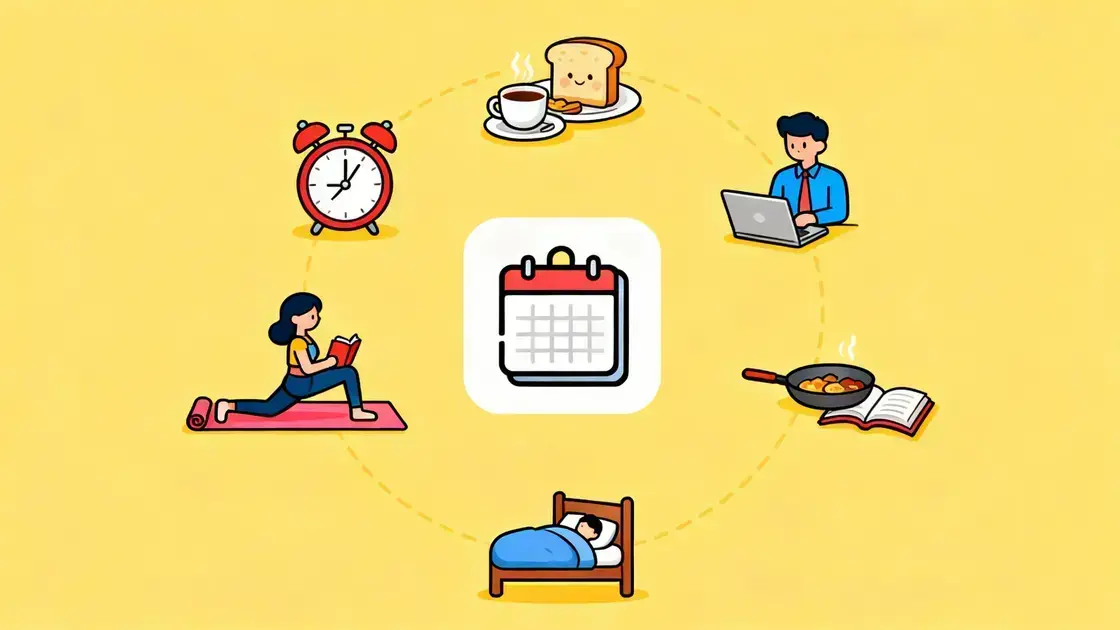
Creating your own routines starts with identifying what you want to achieve each day. Think about your goals and the tasks that need to be done. Write down these goals to have a clear picture of what you want your routine to support. This step will help you focus on what truly matters in your daily life.
Next, think about the best times for each task. Some people work better in the morning, while others feel more productive in the afternoon or evening. Schedule your most important tasks for the times when you have the most energy. This approach will make completing these tasks easier and more enjoyable.
Finally, be flexible and open to change. Your routine may need adjustments as your life evolves. Start with a simple plan and test it out. Make note of what works and what doesn’t. Over time, you will create a routine that fits your lifestyle and helps you reach your goals.
Adapting Routines Over Time
Adapting routines over time is key to staying effective and productive. As your life changes, your needs and priorities may shift. Regularly assess your routines to see if they still serve your goals. If you find a specific routine isn’t working, don’t hesitate to tweak it or try something new.
Another important aspect of adaptation is being aware of your energy levels. What worked for you last month may not work now. Pay attention to when you feel most focused and energetic during the day. Adjust your routine to align your tasks with your natural rhythms, making your day more productive.
Finally, don’t forget to include breaks and downtime in your routine. Life can be hectic, and taking time to relax is essential. Adjust your routine by incorporating short breaks or self-care activities. This flexibility will help you maintain balance and keep you motivated over the long run.
Tracking Progress with Routines
Tracking progress with routines is essential for staying motivated and focused. One effective way to track your progress is by keeping a daily journal. Write down your accomplishments, no matter how small. This helps you see how far you’ve come, boosting your confidence and encouraging you to stick with your routines.
Another great method is to use habit-tracking apps. These apps allow you to visually see your progress over time. When you mark tasks as completed, you get a sense of achievement. This can motivate you to maintain your routines and reach your goals consistently.
Finally, reflect on your progress regularly. Set aside time each week to review what worked and what didn’t. Consider adjusting your routines based on this reflection. By actively tracking your progress, you can make informed changes that keep your routines effective and aligned with your long-term goals.
Common Mistakes in Daily Planning
One common mistake in daily planning is overloading your schedule with too many tasks. When you try to do too much in one day, it can lead to stress and disappointment. It’s important to set realistic goals and prioritize your tasks. Focus on a few important items each day to maintain your energy and motivation.
Another mistake is not allowing enough time for breaks. Many people forget to incorporate downtime in their schedules. Without breaks, you risk burning out and losing focus. Make sure to plan short breaks throughout your day to refresh your mind and stay productive.
Finally, failing to review your plans regularly is a mistake that can hinder your progress. Planning is not just about writing tasks down. You need to check in with yourself to see what is working and what isn’t. Regularly assessing your routine allows you to make necessary adjustments and keep moving toward your goals.
Creating a Balanced Routine
Creating a balanced routine is essential for maintaining well-being and productivity. Start by identifying different areas of your life that need attention, such as work, exercise, and relaxation. By allocating time to each area, you can ensure that no aspect of your life is neglected. Everyone needs time to recharge, so make sure to schedule downtime as part of your routine.
Next, prioritize activities that bring you joy and keep you healthy. Incorporate regular exercise, hobbies, and social time into your daily plan. These activities not only improve your mood but also boost your energy levels, making it easier to tackle your responsibilities. Balance is not just about work, but also about enjoying life.
Lastly, be flexible with your routine. Life can be unpredictable, and sometimes things don’t go as planned. Allow yourself to adjust your routine when necessary. If you need to take a break or shift tasks to another day, that’s okay. A balanced routine should support you, not stress you out.