

Photography tips for beginners can turn a passion into a skill. With the right knowledge and practice, anyone can take stunning pictures. Understanding basic techniques is key to expressing creativity through photography.
Whether you’re using a smartphone or a DSLR, learning to capture the perfect moment is essential. Simple tips can make a huge difference in your photos. Discover the secrets behind crisp and vibrant images.
Keep reading to discover transformative photography techniques that will enhance your skills and inspire your creativity!
Understanding Camera Basics
Understanding camera basics is crucial for taking great photos. A camera has different parts that work together to capture images. The lens helps bring in light, while the sensor captures that light to create a picture. Knowing how these parts function is the first step to unlocking your creativity.
You should also know about the shutter speed, aperture, and ISO. Each setting plays a role in how your photos look. Shutter speed controls how long the camera lets in light, while aperture affects how much light gets through the lens. ISO tells your camera how sensitive to light it should be. Learning to balance these settings makes all the difference.
Don’t worry if it feels overwhelming at first. Start by practicing with your camera in different situations. Experimenting will help you understand how each setting changes your pictures. As you gain confidence, you will discover your style and improve your photography skills.
Photography Tips for Beginners: Essential Gear for New Photographers
Every new photographer needs some basic gear to get started. A good quality camera is the most important item. Whether you choose a DSLR or a mirrorless camera, make sure it fits your needs and feels comfortable in your hands. Consider how it can help you capture what you see the way you want.
Besides the camera, having a tripod is essential. A tripod helps keep your camera steady, which leads to clearer photos. It is especially useful when taking pictures in low light or when you want to capture long exposure shots. This simple tool can make a big difference in the quality of your work.
Don’t forget about photography accessories! A camera bag is important to safely carry your gear. Additionally, a lens cleaning kit will help you keep your equipment in good shape. Having the right gear not only protects your equipment but also allows you to focus on improving your photography skills.
Composition Techniques to Elevate Your Photos
Composition techniques can greatly elevate your photos. One simple but powerful method is the rule of thirds. Imagine dividing your image with two vertical and two horizontal lines, creating nine equal parts. Place your subject along one of these lines or at their intersections. This simple trick draws the viewer’s eye and makes your photos more balanced and interesting.
Another effective technique is leading lines. Use natural lines in your scene, like roads or paths, to guide the viewer’s eye towards the subject. This creates depth and helps convey a sense of direction. Finding lines in your surroundings will add a new layer of creativity to your photography.
Lastly, consider the framing technique. Frame your subject using elements around it, like branches or doorways. This adds context and focus, helping your viewer understand the scene better. Experimenting with composition techniques will undoubtedly enhance your photography skills and create stunning images.
Lighting Tips for Stunning Shots
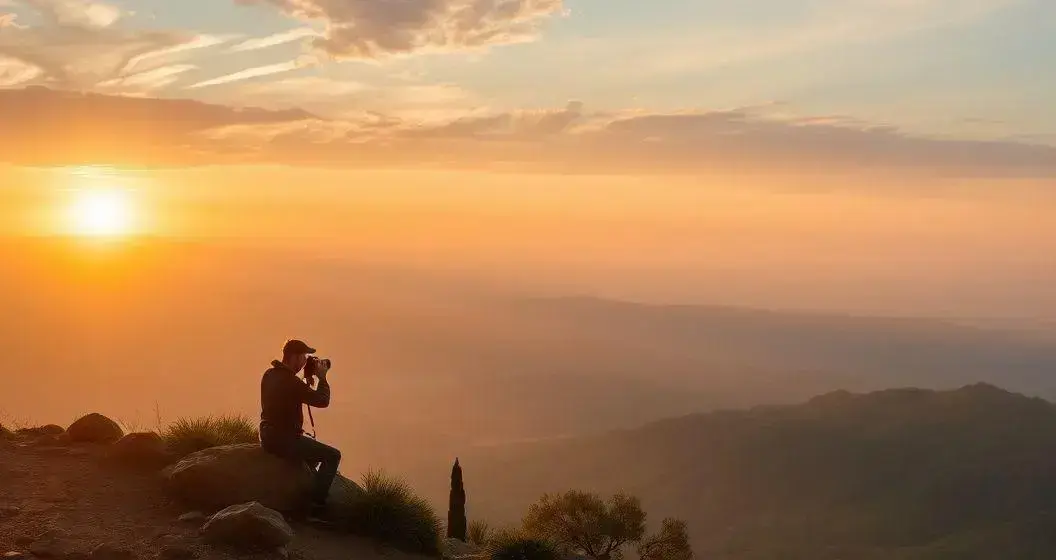
Lighting plays a crucial role in photography. The best time to take photos is during the golden hour, which happens shortly after sunrise or before sunset. During this time, the light is soft and warm, adding a beautiful glow to your images. Taking advantage of this magical time can make a huge difference in the quality of your photos.
When using artificial lights, try to soften the light source. For example, instead of using a flash directly, bounce it off walls or ceilings. You can also use a softbox to diffuse the light. Soft lighting reduces harsh shadows and helps create a more natural look in your photos, making the subjects appear more flattering.
Pay attention to the direction of the light. Side lighting adds depth and texture, while backlighting can produce beautiful outlines or silhouettes. Experimenting with different light directions will help you discover new styles and enhance your photography skills. Remember, light is your best friend when it comes to capturing stunning images!
Choosing the Right Settings for Your Camera
Choosing the right settings for your camera is vital for getting great photos. Start with the ISO. This setting controls how sensitive your camera is to light. A lower ISO number, like 100, works best in bright light. If you’re in a darker space, a higher ISO, like 800 or more, can help. Just remember, using a high ISO may add some grain to your photos, so find the right balance.
The aperture setting is next. A wide aperture (small f-number) lets in more light and creates a blurry background. This is great for portraits. A smaller aperture (large f-number) gives a sharper focus across the photo, perfect for landscapes. Understanding how to use aperture will help you express your vision more clearly.
Finally, the shutter speed determines how long your camera’s sensor is exposed to light. A fast shutter speed can freeze action, while a slow shutter speed captures movement, creating a beautiful blur. Adjusting these settings according to the scene will help you get the best possible shot and unlock your creativity in photography.
Editing Basics for Beginners
Editing photos is an important skill for beginners to learn. One of the first things to do is to adjust the exposure. If your photo is too dark or too bright, changing the exposure can help balance the light. Most editing apps have a simple slider for this. Play around with it until the image looks just right.
Next, try adjusting the contrast to make your photos pop. Increasing contrast makes the dark areas darker and the light areas lighter. This can seriously enhance the details and makes the colors look more vibrant. Just be careful not to overdo it, as too much contrast can make your images look unnatural.
Lastly, look into color correction. Sometimes, photos may not have accurate colors due to lighting. You can use tools in editing software to adjust the temperature and tint. Warmer tones can bring out the sunset colors, while cooler tones work well for landscapes. Learning these basics will help you improve your photos and make them more visually appealing.
Backgrounds and Props to Enhance Your Shots
The right background can make your photos shine. Instead of taking pictures against a plain wall, look for interesting textures or colors. Natural backgrounds, like trees or flowers, add beauty and context to your shots. Even simple items, like fabric or paper, can give your photos a unique flair and help your subject stand out.
Using props can also enhance your photographs. Props can tell a story or add personality to your images. For instance, if you’re photographing a child, you can use toys or art supplies to highlight their interests. When carefully chosen, props can help convey the mood and theme of your photo.
Don’t be afraid to get creative with the combination of backgrounds and props. Think about how they complement your subject. Playing with different angles and arrangements will give you various results. Experimenting will allow you to discover your style and take your photography to the next level!
Practical Exercises to Improve Your Skills
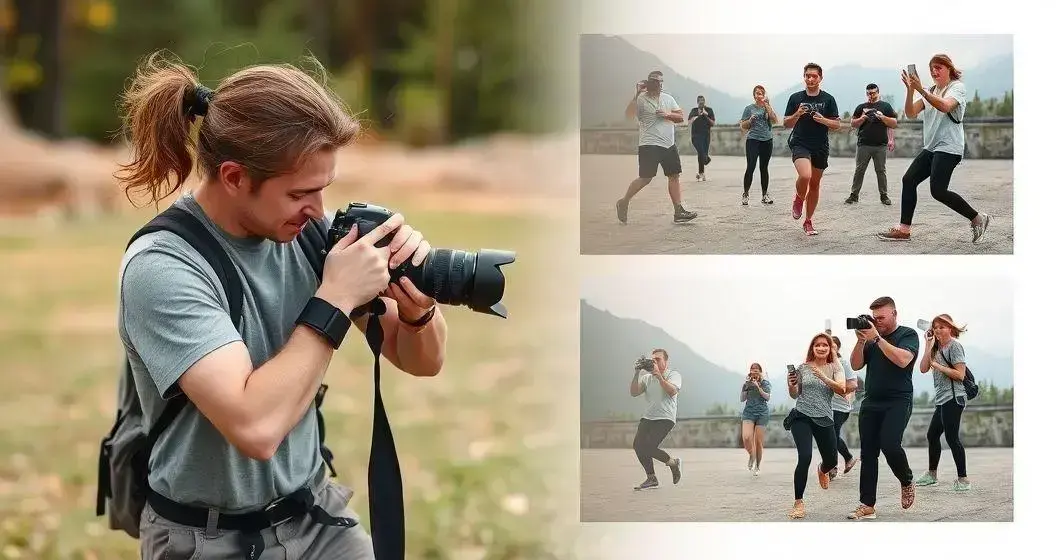
One great way to improve your photography skills is through daily challenges. Pick a theme for each day, like “nature” or “portraits,” and take at least one photo related to that theme. This practice keeps you engaged and encourages you to explore different subjects and styles. Over time, you’ll notice your creativity and skills developing.
Another helpful exercise is to practice shutter speed by capturing movement. For example, try taking photos of people walking or pets running. Use a fast shutter speed to freeze the action, then switch to a slow shutter speed to create motion blur. Comparing the results will help you understand how shutter speed impacts your images and enhances your storytelling.
Finally, join a local photography group or an online community. Sharing your work and receiving feedback can be incredibly valuable. Participate in group challenges where you can try new things and see what others create. Engaging with fellow photographers will motivate you to learn and grow while keeping the fun in your photography journey.
Building Your Photography Portfolio
Building your photography portfolio is important for showcasing your best work. Start by selecting your strongest images that represent your style and skills. Aim for variety in your portfolio by including portraits, landscapes, and any other subjects you love. This selection process helps highlight your versatility as a photographer.
Next, organize your photos in a way that tells a story. You might group similar types of images or create a flow that shows your growth over time. Make sure to choose a clean design that allows your photos to stand out. A clutter-free layout keeps the focus on your work and makes it easier for viewers to appreciate your talent.
Finally, don’t forget to update your portfolio regularly. As you create new images and develop your skills, add your best work to keep your portfolio fresh. Sharing it on platforms like social media or a personal website can help attract potential clients and opportunities. Building a portfolio is not just about showing off; it’s about making connections and growing in your photography journey.
Photography is a creative art that lets you express yourself through images. Every photographer has their own unique style and vision. To find yours, spend time taking different types of photos and exploring various subjects. This will help you discover what you enjoy most and what inspires you.
As you take pictures, don’t be afraid to experiment with different techniques and settings on your camera. Play around with lighting, angles, and compositions. Trying new things can lead to unexpected and exciting results. These experiences will not only improve your skills but also help you develop your artistic voice.
Sharing your work with others is key to growing as a photographer. Join online communities or local photography groups to connect with fellow photographers. Sharing feedback and receiving constructive criticism can open your eyes to improvements and new ideas. Remember, photography is a journey, and every shot you take is a step toward unleashing your creative potential.