

Simple Daily Habits to Save Money can make a huge difference in your financial life. You don’t have to make dramatic changes to see real results — just small, consistent actions that help you spend less and keep more. The power lies in the everyday choices that add up over time.
From planning your meals to tracking your expenses, little habits can quickly turn into big savings. When you start paying attention to where your money goes, you’ll find countless ways to cut costs without feeling deprived. It’s all about creating balance and being intentional with your spending.
If you’ve been looking for practical, easy ways to make your money work harder, you’re in the right place. Keep reading and discover how a few simple daily shifts can lead to lasting financial freedom.
Understanding Simple Daily Habits
Understanding simple daily habits is the first step toward saving money. These habits can be easy to adopt and lead to big savings over time. Small changes in your routine can help you become more mindful of your spending, making it easier to stick to a budget.
Every day, we make choices that affect our finances. Simple habits like checking prices before buying or planning meals can save you money. By creating awareness about how you spend, you can spot unnecessary expenses and reduce them.
Focusing on daily habits allows you to build a savings mindset. When you understand that every little bit counts, you’re more likely to make smart choices. The right habits can make saving money feel natural and rewarding.
Importance of Saving Money
The importance of saving money cannot be overstated. Having savings gives you a sense of security and peace of mind. It helps you prepare for emergencies and unexpected expenses without worrying about debt.
Saving money also allows you to plan for the future. Whether it’s a vacation, a new car, or a new home, knowing you have funds set aside makes these goals achievable. Plus, when you save regularly, you can grow your wealth over time through interest and investments.
Lastly, saving money empowers you to make choices that suit your life. It gives you the freedom to take risks, such as starting a new business or changing jobs. The more you save, the more options you have in life.
Simple Daily Habits to Save Money: Creating a Budget
Creating a budget is an important step in saving money. It helps you see where your money goes every month. By tracking your income and expenses, you can better manage your spending and make sure you are saving enough for the future.
Start by writing down all your sources of income, such as your job and any side gigs. Next, list your monthly expenses, like rent, groceries, and bills. Once you know your total income and expenses, you can find out how much you can save each month.
A budget is not set in stone. Check it regularly to see if you need to make changes. If you notice you are spending more in one area, adjust your budget to stay on track. With a clear budget, you can avoid overspending and enjoy the benefits of saving money.
Tracking Daily Expenses
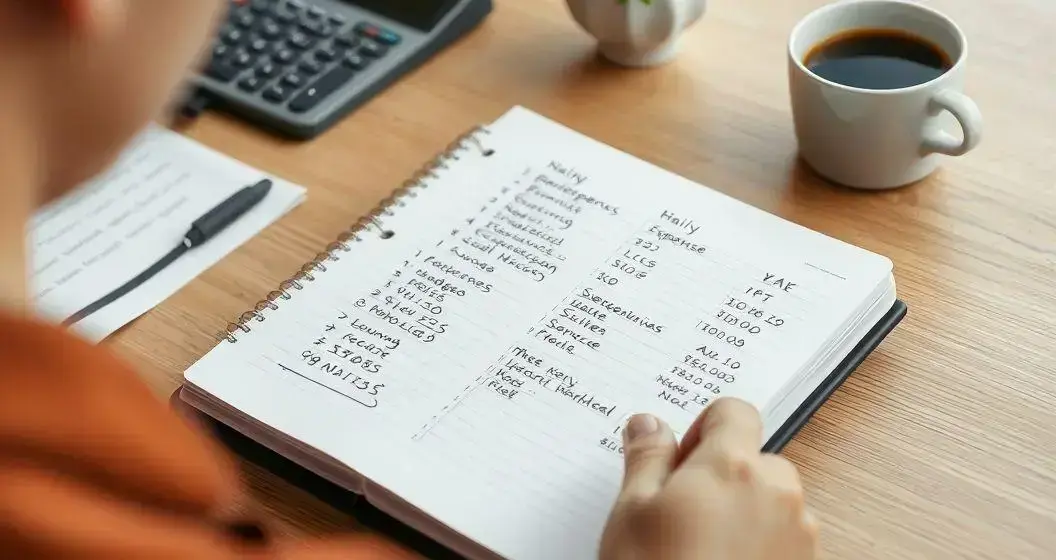
Tracking daily expenses is essential for understanding how you spend your money. It helps you recognize habits that may lead to overspending. By keeping a record of every purchase, you can see where your money goes and identify areas to cut back.
To effectively track your expenses, start by choosing a method that works for you. You can use a notebook, a smartphone app, or a spreadsheet. Whichever method you choose, be consistent. Record your expenses daily to ensure nothing slips through the cracks.
Reviewing your tracked expenses regularly will provide valuable insights. You might discover that small purchases add up, leading to unexpected costs. By being aware of your spending patterns, you can make smarter choices and save more money.
Finding Discounts and Deals
Finding discounts and deals is a smart way to save money while shopping. Many stores offer sales, and using coupons can help lower your costs. Regularly checking store websites or signing up for newsletters can keep you informed about the latest offers.
Apps and websites dedicated to finding deals can also streamline your search. You can compare prices and find promotions before making a purchase. This not only saves money but also helps you make informed choices about where to shop.
Don’t forget to plan your shopping around sales events like Black Friday or holiday sales. By timing your purchases, you can take advantage of deeper discounts. With a little effort to find deals, saving money can become an easy habit.
Limit Eating Out
Limiting eating out is a powerful way to save money each month. Restaurant meals often come with high prices, especially when you factor in drinks, tips, and taxes. By cooking at home, you can make healthier meals for a fraction of the cost.
Plan your meals for the week ahead. This helps you avoid last-minute dining decisions that can lead to overspending. Preparing your favorite dishes at home not only saves money but also allows you to control portions and ingredients.
If you do want to eat out, choose special occasions or consider less expensive places. Look for deals or happy hour specials to make dining out more budget-friendly. By limiting how often you eat out, you can keep more money in your pocket while still enjoying your favorite foods.
Using Cash Instead of Cards
Using cash instead of cards can help you save money and stick to your budget. When you pay with cash, you physically see the money leaving your hands. This can make you more aware of your spending and encourage you to think twice before purchasing.
One effective way to use cash is to set a budget for different categories, like groceries, entertainment, and dining out. Withdraw the cash for each category at the start of the week. Once the cash is gone, that’s it. This simple method can help prevent overspending.
Additionally, using cash can eliminate the temptation of splurging that often comes with credit cards. Without the ability to swipe a card, you may feel more in control of your finances. This habit can lead to better saving practices and a healthier relationship with money.
Long-Term Benefits of Saving

The long-term benefits of saving money are significant and rewarding. When you save consistently, you build a safety net for unexpected expenses. This financial cushion provides peace of mind, knowing you are prepared for emergencies without going into debt.
Savings also open up opportunities for your future. They can help you buy a house, fund education, or start a business. With the right savings plan, you can achieve your financial goals and dreams, making your life more fulfilling and secure.
Additionally, having savings can encourage smarter spending habits. When you know you have money set aside, you may feel less pressure to splurge on unneeded items. This mindset shift leads to better financial health and prepares you for a more stable and successful future.