

Struggling to save money on bills? Rising costs can hit hard, but there are ways to lessen the impact on your budget. Understanding charges and identifying areas for savings can lead to significant reductions in your monthly expenses.
By implementing strategic changes, you can keep more money in your pocket. Simple actions like negotiating with providers or using energy-efficient devices make a big difference.
Don’t let high bills control your finances. Keep reading to discover innovative ways to cut costs and reclaim your budget!
Understanding Your Bills
Understanding your bills is the first step to save money on bills. Each bill shows what services you are paying for, but it can be confusing. It’s important to look closely at each part of your bill. You will find details like what the total amount due is, the due date, and any fees that may apply.
Many bills include charges that you might not expect. For example, you might see fees for late payments or extra usage. Being aware of these charges can help you avoid them. If something looks strange, don’t hesitate to contact the company for clarification.
Lastly, reviewing your bills regularly can uncover opportunities to save. Check if you have overlapping services or if there are options to reduce fees. Knowing what you are paying every month allows you to make smarter choices and keep your expenses under control.
Identifying Unnecessary Charges
Identifying unnecessary charges on your bills can help you save money on bills. Start by carefully examining each item listed. Look for fees that seem out of place or services you don’t use. For example, you might find charges for monthly subscriptions that you forgot to cancel.
Sometimes, companies add small fees that can easily go unnoticed. These could be charges for paper statements, customer service calls, or late fees. Highlight any items that you don’t recognize or don’t remember agreeing to. This way, you can address them with your service provider.
Once you identify these unnecessary charges, take action. Call your provider to dispute fees or ask them to remove charges you don’t need. Additionally, consider changing your plan if it includes services you don’t use. By eliminating these charges, you can significantly lower your monthly expenses.
Setting a Budget for Bills
Setting a budget for bills is a smart way to save money on bills each month. Start by listing all of your monthly expenses, including rent, utilities, and any other bills you must pay. Make sure to look at past bills to get a clear picture of what you usually spend.
Once you have your list, think about how much money you can allocate to each bill. Be honest about your needs and limits. It can help to set limits on each category to avoid overspending. You could also consider setting aside a small amount for unexpected charges.
Finally, keep track of your spending throughout the month. Compare your actual expenses to your budget to see how well you are doing. Adjust your budget if needed to make sure you stay on track. By managing your bills wisely, you can reduce stress and save money.
Using Energy Efficient Devices

Using energy-efficient devices is a great way to save money on bills. These devices consume less energy than standard ones, which means lower utility costs. For example, LED light bulbs use a fraction of the energy of regular bulbs while providing the same amount of light.
When buying new appliances, look for the ENERGY STAR label. This label shows that the device meets energy-saving standards. Items like refrigerators, washing machines, and air conditioners with this label can help you avoid high energy bills while still performing well.
Additionally, simple changes can boost your savings. Unplug devices when they are not in use and use power strips to turn off multiple items at once. By making these small adjustments and choosing the right devices, you can make a big impact on your monthly bills.
Negotiating with Service Providers
Negotiating with service providers can lead to lower bills and better deals. Start by researching your current plans and comparing them with other options available in the market. Knowing what other companies offer gives you a strong position when you talk to your provider. This information can help you highlight how you deserve a better rate.
When you contact your provider, be polite but firm. Explain that you are looking to save money and mention any competitive offers you found during your research. Often, companies are willing to negotiate to keep you as a customer. They might offer a discount, loyalty rewards, or even a more suitable plan.
Don’t be afraid to ask for what you want. If you have been a loyal customer, remind them of your history with their service. Being prepared and confident can make a big difference. With effective negotiation, you can trim down your bills and enjoy the service you need without overspending.
Taking Advantage of Discounts
Taking advantage of discounts is a smart way to save money on bills. Many service providers offer special promotions or discounts for new customers. Always ask about any current deals when signing up for services. You may qualify for an introductory rate that can significantly lower your costs.
In addition to new customer discounts, don’t overlook loyalty rewards. Some companies offer discounts to long-term customers or for paying your bill on time. Be sure to check your provider’s website or ask a customer service representative about these opportunities. You might be surprised by how much you can save just by being a loyal customer.
Finally, consider signing up for any available loyalty programs or email newsletters. These often provide exclusive discounts and offers that are not available to the general public. By staying informed and proactive, you can maximize your savings and enjoy lower bills every month.
Monitoring Your Usage
Monitoring your usage is a key step in saving money on bills. Start by reviewing your monthly statements to see how much energy, water, or data you are using. Many service providers offer apps or online tools that let you check your usage in real-time. This information can help you see when you use the most resources and identify areas where you can cut back.
By tracking your usage, you can set personal goals to reduce costs. For example, if you notice high energy usage during certain hours, consider shifting activities like laundry or cooking to times when usage is lower. This small change can lead to significant savings over time.
Additionally, monitoring your usage helps you avoid unexpected charges. If you know your limits, you can adjust your behavior to stay under budget. Sometimes, exceeding your limits leads to extra fees or charges. Keeping an eye on how much you consume can keep your bills manageable and predictable.
Exploring Alternative Services
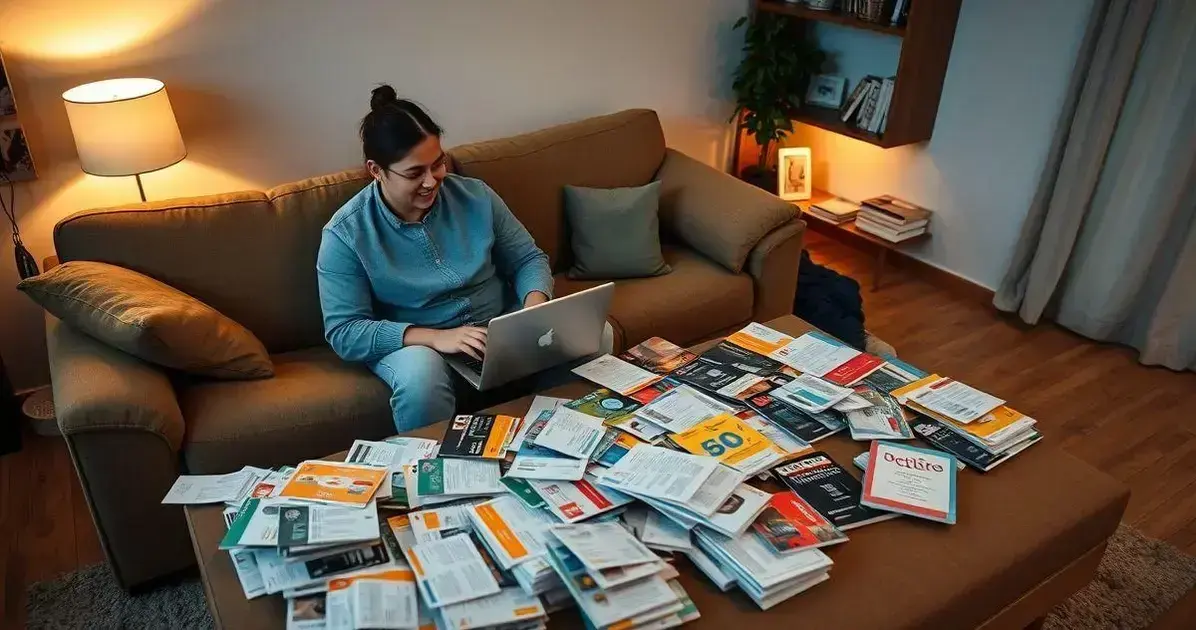
Exploring alternative services can be a great way to save money on bills. Sometimes, sticking with the same provider can cost you more, especially if they raise their rates. Start by researching different companies that offer similar services, like internet, cable, or phone plans. You might find better rates and even improved service options.
When looking for alternatives, consider local providers or newer companies. They often offer competitive pricing to attract customers. Additionally, some alternative services might even bundle packages that include several utilities at a lower combined rate. This can simplify your bills and save you money at the same time.
Don’t forget to read online reviews and ask friends or family for recommendations. Their experiences can help guide you to reputable services that meet your needs. Switching providers might seem like a big task, but the potential savings can make it worthwhile.
By taking the time to explore alternative services, you could significantly lower your monthly expenses.